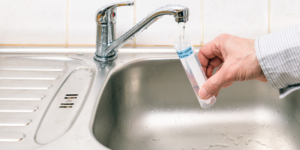
We often consider our homes a sanctuary where we can rest, recover, and care for our families. We carefully evaluate the food we purchase, the air purifiers we use, and the safety of products brought into our living spaces. However, many homeowners overlook the quality of their tap water. Using accredited lead testing services in Queens can help detect hidden contamination and provide greater confidence in the safety of your household water.
While municipal water treatment facilities do an incredible job of processing millions of gallons of water daily, the reality is that the water supply is not a static environment. It is subject to environmental shifts, aging infrastructure, and the daily reality of how water interacts with the pipes in our own homes. Because water quality can change over time, relying on an annual report from the city is often not enough. Understanding the critical importance of regular water testing is the single most effective way to ensure that what you are drinking is truly as safe as it looks.
Beyond the Utility Report: Why Your Tap is Unique
Every year, municipal water providers issue a Consumer Confidence Report (CCR). This document is a mandatory overview of the water quality leaving the treatment plant. While this is an excellent starting point, it is vital to understand that it tells only half the story.
The water at the treatment plant is not identical to the water in your glass. Between the plant and your home, water travels through an extensive network of distribution pipes, some of which may be decades old. Once it enters your property, it flows through your private plumbing system. If your home has older pipes, brass fixtures, or lead solder, the water can pick up contaminants during its final journey.
Furthermore, water quality can vary significantly by neighborhood or even by specific household, depending on how your home connects to the main line. This is why local knowledge matters. Whether you are concerned about specific issues in your municipality or simply want to understand the health effects of potential impurities, testing your water at the point of use gives you a data set that belongs solely to you and your family.
The Silent Hazards: Why Testing Matters
Contaminants are often colorless, odorless, and tasteless. You cannot simply “sense” if your water is safe. Regular testing acts as an early warning system for a variety of concerns:
1. The Threat of Heavy Metals
Lead and copper are perhaps the most well-known concerns for older homes. Lead does not have a safe threshold for human consumption; even small amounts can have long-term consequences for children and adults alike. Because these metals often leach from pipes rather than entering from the source, they won’t show up on a city-wide report. Only a test of your tap water can confirm whether your plumbing is contributing to your risk.
2. Emerging Contaminants
Our environment is changing, and so are the substances that find their way into our groundwater. Chemicals like PFAS (per- and polyfluoroalkyl substances)—often called “forever chemicals”—are increasingly being detected in water sources across the country. Because these chemicals are persistent, catching their presence early through testing is crucial. Staying ahead of these concerns is a cornerstone of effective prevention.
3. Biological Changes
Changes in the water table, heavy rain events, or even minor breaks in local water mains can introduce bacteria or other pathogens into the supply. If you rely on a private well, this risk is even higher, as your water is not subject to the same constant monitoring as a municipal system. If you have a well, regular testing is not optional—it is a responsibility you hold to keep your family safe.
Understanding Your Results
Once you receive your lab results, the information can sometimes feel overwhelming. It is important to remember that most testing services provide clear, actionable data. You are looking for a baseline that compares your results against current EPA guidelines.
The Environmental Protection Agency (EPA) sets National Primary Drinking Water Regulations that serve as the gold standard for what constitutes “safe” water. When your lab report comes back, it will typically show you where your levels fall in relation to these Maximum Contaminant Levels (MCLs).
If your results show elevated levels of a specific contaminant, don’t panic. In most cases, these issues can be mitigated effectively. Whether it requires a simple filtration system for your kitchen sink or a more comprehensive treatment solution for your entire home, having the data allows you to choose the right technology for the job. You stop guessing and start solving.
A Habit of Safety
Integrating water testing into your home maintenance routine is a simple way to practice proactive stewardship. Just as you change your HVAC filters or test your smoke detectors, checking your water quality should be a scheduled event.
- For Municipal Water Users: Aim to test your water every 2 to 3 years, or whenever you notice a change in taste, smell, or clarity.
- For Private Well Owners: The recommendation is typically to test at least once a year for bacteria, nitrates, and any other local concerns that might impact your specific geography.
- During Renovation: If you have recently performed plumbing work or replaced fixtures, it is a perfect time to conduct a test to ensure your new system is clean and secure.
By keeping a consistent log of your results, you can spot trends. Perhaps your water quality is generally stable, but you notice a slight increase in certain minerals during the wet season. Having this history makes it much easier to discuss your needs with water quality professionals or to refine your filtration strategy over time.
Moving Forward with Confidence
Your home is where your family grows, learns, and builds memories. Ensuring that their hydration is clean and safe is a fundamental part of providing that environment. The beauty of water testing is that it removes the mystery. It empowers you to take a “trust but verify” approach to your utility providers, and it gives you direct control over the quality of the liquid that sustains your household.
If you are feeling overwhelmed by the terminology or aren’t sure which testing kit is right for your home, remember that you don’t have to navigate this alone. We are dedicated to helping homeowners find the clarity they need. Feel free to browse our latest blog entries for more tips on maintaining a healthy home, or reach out to us directly if you have specific questions about how to get started with your first test.
Protecting your family’s health is a journey, not a destination. By making regular water testing a part of your life, you are choosing to invest in peace of mind. After all, the best way to safeguard your future is to be fully informed about the present.