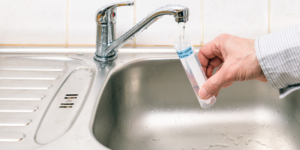
Water is essential to life, yet its purity is often taken for granted. Before reaching your kitchen faucet, water travels through a complex network of treatment facilities, distribution lines, and household plumbing where it may encounter various contaminants along the way. In older properties, especially those with aging pipes and historic plumbing materials, understanding potential sources of contamination is an important part of maintaining water quality. For example, lead testing for drinking water in Brooklyn brownstones can help identify potential risks linked to older plumbing systems and provide valuable insight into the condition of a home’s water supply.
Understanding what is present in your water is an important first step toward protecting your health and your family’s well-being. By identifying possible contaminants and learning how they may affect the body, homeowners can make informed decisions about testing, filtration, and other steps that support safer drinking water.
The Invisible Landscape of Tap Water
While most public water systems in developed nations are strictly regulated, the reality of aging pipes and environmental runoff means that “safe” water doesn’t always mean “pure” water. Contaminants generally fall into a few primary categories: chemical, physical, and biological.
Some of these are naturally occurring minerals that become problematic at high concentrations, while others are entirely synthetic, introduced through industrial processes, agricultural runoff, or the very delivery systems designed to bring water to our homes.
Primary Contaminants of Concern
1. Lead and Heavy Metals
One of the most persistent issues in modern water distribution is the presence of heavy metals. Lead, for instance, rarely originates at the treatment plant. Instead, it leaches into the water supply through older plumbing materials—specifically lead service lines, lead solder, or brass fixtures containing lead content.
When lead enters the body, it acts as a neurotoxin. It does not have a “safe” level of exposure, particularly for children, whose developing brains and nervous systems are highly susceptible to its effects. Long-term exposure in adults can lead to increased blood pressure, kidney dysfunction, and reproductive issues. Copper and arsenic are other common heavy metals that, while sometimes naturally occurring, can reach concentrations that trigger digestive distress and more severe systemic issues if left unaddressed.
2. PFAS (Per- and Polyfluoroalkyl Substances)
Often referred to as “forever chemicals,” PFAS are a group of synthetic compounds used in everything from non-stick cookware to firefighting foams. Because they do not break down in the environment, they have permeated groundwater sources globally.
The impact of PFAS on human health is an ongoing area of research, but current data suggests that chronic exposure is linked to hormone disruption, reduced immune system response, and an increased risk of certain cancers. Because these chemicals are so pervasive, many households are now looking into specialized filtration methods to ensure their water supply is adequately protected.
3. Disinfection Byproducts (DBPs)
Ironically, the chemicals used to make our water safe—like chlorine—can sometimes create their own problems. When chlorine reacts with organic matter in the water, it can form disinfection byproducts such as trihalomethanes (THMs) and haloacetic acids (HAAs). While the risk of consuming these is generally considered lower than the risk of drinking untreated, pathogen-heavy water, long-term exposure to these byproducts has been associated with an increased risk of bladder cancer and potential developmental complications.
4. Nitrates and Pesticides
If you live in or near an agricultural region, your water might be at higher risk for contamination from fertilizers and pesticides. Nitrates, in particular, are a common byproduct of agricultural runoff. While an adult body can process low levels of nitrates, high concentrations are dangerous, especially for infants, as they can interfere with the blood’s ability to carry oxygen—a condition known as “blue baby syndrome.”
How These Contaminants Affect Your System
When you ingest contaminated water, these substances undergo a process of absorption, distribution, and, depending on the toxin, accumulation.
The Digestive Impact
Your gut is the first line of defense. Contaminants like bacteria or high concentrations of chemical additives can disrupt the delicate microbiome of your digestive tract. Symptoms of acute contamination often present as nausea, abdominal cramping, or diarrhea. Chronic, low-level exposure may lead to more subtle issues, such as persistent inflammation or a weakened gut barrier.
The Cumulative Load
The most insidious aspect of water contamination is the “cumulative load.” Many of the contaminants mentioned above are not immediately toxic; rather, they accumulate in your tissues over time. Heavy metals, for example, tend to store themselves in your bones and kidneys, while some synthetic chemicals may disrupt your endocrine system, leading to long-term fatigue, metabolic changes, or reproductive challenges.
For those curious about the specific risks associated with these substances, it is helpful to look deeper into the documented health effects associated with long-term consumption of compromised water.
Taking Control of Your Water Quality
The good news is that you are not powerless. While you cannot change the municipal infrastructure overnight, you can control the quality of the water that reaches your glass.
Testing Your Source
The first step is knowledge. If you are on a private well, you should test your water at least annually. If you are on a municipal supply, you have a right to review your city’s annual Water Quality Report (also known as a Consumer Confidence Report). This document will detail the contaminants found in your water over the past year and whether they meet federal safety standards.
Prevention and Mitigation
Proactive measures go a long way. This includes maintaining your home’s plumbing, addressing leaks immediately to prevent back-siphonage, and considering a prevention strategy that includes both point-of-use and whole-home water treatment systems.
For further reading on how to manage these issues in your own home, you can explore our blog for tips on water safety and maintenance.
Understanding the “Safe” Standard
It is important to note that the Environmental Protection Agency (EPA) sets Maximum Contaminant Levels (MCLs) for many of these substances. However, these limits are often a balancing act between safety, technical feasibility, and economic cost. “Legal” limits do not always equate to “optimal health” levels. Many health experts suggest that for the most vulnerable populations—children, the elderly, and those with compromised immune systems—striving for the highest level of purity through additional filtration is a wise investment.
Conclusion
Water is a necessity, but safe water is a standard you must sometimes actively maintain. By understanding the common contaminants—from lead in old pipes to modern synthetic chemicals—you can make informed decisions about your home filtration needs.
If you are unsure about your water quality or need guidance on choosing the right system for your home, don’t hesitate to contact our team of experts. We are committed to helping you ensure that the water you drink every day supports your health rather than compromising it.
For more information on water safety standards and testing, you can visit the EPA’s Ground Water and Drinking Water portal or consult with your local health department to get a localized report on your area’s water safety profile.