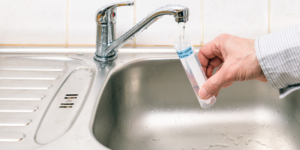
For parents and caregivers, protecting the quality of the water children drink is a fundamental responsibility. Since children’s bodies and immune systems are still developing, they are more vulnerable to contaminants that may have little effect on healthy adults. Using Environmental water testing services in Brooklyn can help identify potential risks and ensure children have access to safer drinking water.
Understanding the risks and implementing proactive safety measures is not just about peace of mind; it is about providing the foundation for a healthy life.
Why Children Are More Vulnerable
Children face a “dual burden” when it comes to water quality. First, they consume more water relative to their body weight than adults, which means their exposure to any potential contaminants is proportionally higher. Second, their rapidly developing neurological and physiological systems are highly sensitive to toxins.
The Developmental Risk
Early childhood is a period of explosive growth. Environmental exposure to chemicals like lead, arsenic, or nitrates can disrupt neurodevelopment, leading to long-term cognitive impacts, learning disabilities, and physical growth delays. Furthermore, microbial contaminants such as E. coli can cause severe gastrointestinal distress, leading to rapid dehydration—a condition that can become life-threatening for infants and small children much faster than for adults.
For a deeper understanding of how these substances interact with young biology, you can review our guide on the health effects of common water contaminants.
Common Contaminants of Concern
While municipal water systems are regulated, infrastructure issues can introduce hazards that bypass standard treatment:
- Lead: Often leaching from aging pipes or lead solder in older homes, lead is a potent neurotoxin. Even low levels of exposure are associated with attention deficits and developmental delays in children under six.
- Nitrates: Frequently originating from agricultural runoff or fertilizer, high levels of nitrates can interfere with the blood’s ability to carry oxygen, causing methemoglobinemia, or “blue baby syndrome,” in infants.
- Disinfection Byproducts: The chemicals used to treat our water, such as chlorine, can sometimes react with organic matter to form byproducts linked to developmental issues.
- Microbes: Bacteria, viruses, and parasites can occasionally enter the supply through cross-contamination or breaks in local water mains, posing immediate risks for stomach illnesses.
Prevention: The Best Defense
Protecting your child begins with information. If you rely on a municipal supply, your city is required to provide an annual Consumer Confidence Report (CCR), which details what is in your water. If you utilize a private well, you are responsible for testing, and you should perform annual water quality checks.
To implement a robust prevention strategy in your home, consider these essential practices:
- Flush Your Pipes: If you suspect your home has older plumbing, run your cold water tap for at least a minute before using it for drinking or cooking. This flushes out water that has been sitting in the pipes and accumulating sediment or metals.
- Use Cold Water for Cooking: Never use hot tap water to prepare baby formula or to cook food. Hot water is more likely to leach lead and other metals from your home’s internal piping than cold water.
- Invest in Filtration: For many, the most effective way to ensure safety is through filtration. High-quality systems like Reverse Osmosis (RO) or certified carbon block filters can remove a significant percentage of heavy metals, chemicals, and cysts that may otherwise end up in your child’s cup.
- Maintain Your System: A filter is only as effective as its maintenance schedule. Always adhere to the manufacturer’s instructions for replacing cartridges to ensure the system doesn’t become a breeding ground for bacteria or lose its efficacy.
Best Practices for Daily Hydration
Beyond the quality of the water, building healthy habits is key. Encourage your children to view water as their primary beverage.
- Make it Fun: If your child is resistant to drinking plain water, use colorful cups, curly straws, or infuse the water with slices of fresh fruit like strawberries, cucumbers, or mint.
- Monitor Hydration: Teach older children to check the color of their urine—a simple, pale straw-like color is a great indicator of proper hydration.
- Educate: As children grow, teach them about the importance of clean water and good hygiene, such as washing their hands before eating and after using the restroom.
Taking the Next Step
We know that navigating the world of water quality can be daunting. From understanding complex contaminant reports to choosing the right system for your kitchen, we are here to support your family’s needs. For more tips on maintaining a safe home environment, visit our blog.
If you have specific concerns about the water in your home or need help interpreting your local water quality reports, please contact our team. We are dedicated to ensuring every glass of water your child drinks is as safe and clean as possible.
For additional expert guidance on hydration guidelines and national safety standards, you can refer to the American Academy of Pediatrics (AAP) or the CDC’s Drinking Water Guidelines to help stay informed about the latest recommendations for children.