Private Well Water Safety: A Complete Guide to Testing and Treatment
For millions of homeowners, tap water comes directly from a private well rather than a municipal utility. Although well ownership offers independence and control, it also makes homeowners fully responsible for maintaining water quality. Unlike public water systems monitored by local agencies under federal standards, private wells require proactive management and regular testing. Similar preventive measures, such as Water testing for HOA communities in Manhattan, help protect residents and ensure a consistently safe water supply.
If you rely on well water, you are essentially the operator of your own mini-water utility. This guide covers the essential steps for testing, maintaining, and treating your well water to ensure it remains a safe resource for your household.
Why Testing Is Non-Negotiable
Groundwater is dynamic. Rain, snowmelt, agricultural practices, and local land development can all alter the chemistry of your aquifer over time. Because you cannot always smell, taste, or see contaminants, routine testing is the only way to establish a baseline and track changes.
What to Look For
At a minimum, you should test your well water annually for total coliform bacteria and nitrates. These are the two “early warning” indicators. Coliform bacteria can signal a breach in the well seal or a nearby septic failure, while elevated nitrates—often from fertilizer or septic runoff—can be particularly dangerous for infants.
Beyond these basics, you should conduct more comprehensive testing if you notice:
- Metallic Tastes or Stains: This could indicate the presence of iron, manganese, or low pH (acidic) water, which can corrode plumbing.
- A “Rotten Egg” Smell: Usually caused by hydrogen sulfide, which is a nuisance but can sometimes indicate deeper issues.
- Cloudiness or Sediment: This suggests issues with the well pump, casing, or nearby land disturbance.
Understanding the health effects of these contaminants is vital. While some minerals are benign, others—like arsenic, lead, or pesticides—carry long-term health risks that demand immediate mitigation if detected.
The Testing Process
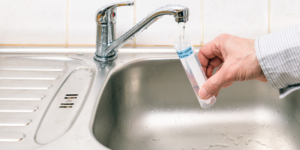
You should never rely on “guesswork.” To get an accurate reading, always use a state-certified laboratory. You can often find a list of these labs through your state’s environmental department.
- Request a Sample Kit: Most labs will send you sterilized bottles and specific instructions on how to take a sample.
- Follow Directions Precisely: You must avoid contaminating the sample yourself. Wash your hands, avoid touching the inside of the bottle cap, and ensure the water has been running for a few minutes before sampling.
- Submit Promptly: Many tests have a “shelf-life.” Ensure you get the sample to the lab within the requested timeframe, often within 24–48 hours, to ensure the results are valid.
Implementing a Prevention Strategy
Once you have your results, you can move from reactive mode to a proactive prevention framework. A well-maintained wellhead is your first defense. Ensure the well cap is secure, undamaged, and vented properly to prevent insects, rodents, and surface water runoff from entering the casing.
Keep the area surrounding the wellhead clear. Avoid using fertilizers, pesticides, or herbicides near the well, and ensure that your septic system is located at a safe, legally mandated distance from the well source. Regular inspection of the physical infrastructure—the pump, pressure tank, and well cap—is just as important as the water testing itself.
Treatment Options: Matching Solutions to Problems
If your test results reveal contaminants, don’t panic. There is almost always a solution, whether the issue is biological or chemical.
- For Biological Contaminants: If your well tests positive for bacteria, you may need to shock-chlorinate the well. This is a common, effective method for disinfecting the system. For chronic issues, a UV light sterilization system may be required to kill bacteria as the water enters your home.
- For Chemical and Mineral Contaminants:
- Water Softeners: Excellent for dealing with hard water (calcium and magnesium) that causes scale buildup.
- Activated Carbon: Great for filtering out pesticides, organic chemicals, and odors.
- Reverse Osmosis: A high-level filtration method capable of removing a broad spectrum of heavy metals, fluoride, and dissolved solids.
The key is to select a system that targets the specific contaminant identified in your laboratory report. Installing a broad-spectrum system without knowing your specific risk profile is often a waste of money.
Documentation and Records
Keep a dedicated folder for your well. This should include:
- The original well construction report (if available).
- All laboratory water quality test results, dated and organized.
- Records of maintenance, such as well pump repairs or filter changes.
Having this history is invaluable, especially if you ever decide to sell your home. It proves to prospective buyers that the well has been managed responsibly.
When to Seek Professional Help
While some maintenance is “DIY-friendly,” there are times when you should call in a professional. If your water quality suddenly changes (sudden color shift, odor, or taste), if you experience frequent pressure drops, or if you are overwhelmed by the data in your water report, consult with a licensed well contractor or a water treatment professional.
For those looking to expand their knowledge on home water management, our blog features a wealth of information on common troubleshooting and system care.
Moving Forward
Owning a private well is a rewarding way to manage your home’s resources, provided you stay informed and vigilant. By treating your water supply as a precious asset that requires periodic check-ups, you ensure that your family remains protected from the ground up.
If you have questions about your well’s safety or need assistance evaluating a recent water test report, please contact our team. We are happy to help you navigate the nuances of well water safety to keep your home healthy and hydrated.
For more technical information regarding groundwater standards and the regulations surrounding private wells, you can visit the EPA’s Private Well Resource Center. Staying updated with these national guidelines is a great way to augment your personal safety strategy.