10 Simple Steps to Improve Your Home’s Drinking Water Quality Today
Maintaining the purity of your home’s drinking water is one of the most important steps you can take to support your family’s long-term health. While municipal treatment facilities handle extensive purification processes, water can still pick up unwanted sediment, metallic tastes, or chemical residues as it travels through aging infrastructure and household plumbing systems. Partnering with a drinking water lead testing laboratory for Queens can help identify potential contaminants and provide valuable insights into the quality and safety of your home’s water supply.
The good news is that you don’t need to be an engineer to significantly enhance the quality of the water flowing from your tap. Here are ten practical, actionable steps to ensure every glass you pour is clean, safe, and refreshing.
1. Know What You Are Drinking
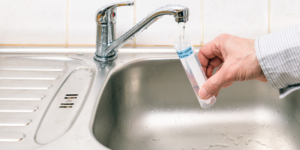
You cannot fix a problem you haven’t identified. The first step is to obtain your Consumer Confidence Report (CCR) from your local water utility. If you rely on a private well, schedule an annual laboratory test. Knowing the specific contaminants in your area—whether it’s lead from old pipes or excess chlorine—allows you to choose the right filtration system for your needs.
2. Flush Your Taps
If water remains stationary inside plumbing systems for several hours, such as overnight or while a building is unoccupied, it can pick up trace materials from pipes and fixtures. Before using tap water for drinking or cooking, allow the cold water faucet to run for approximately 30 to 60 seconds until the temperature becomes noticeably cooler. This simple flushing practice helps remove stagnant water and brings fresh water from the main supply into your tap. For larger facilities where water safety is critical, professional services such as hospital lead water testing for Manhattan medical centers can provide detailed assessments to identify potential concerns within complex plumbing systems.
3. Stick to Cold Water
Always use cold tap water for drinking, cooking, or preparing baby formula. Hot water is much more effective at dissolving metals like lead and copper from your home’s internal pipes. Because water heaters act as a “storage tank” for sediment and minerals that have built up over time, the water coming from your hot tap is significantly more likely to contain impurities.
4. Regularly Clean Faucet Aerators
The small mesh screen at the tip of your faucet, known as an aerator, is designed to regulate flow, but it also acts as a trap for debris. Over time, sediment and flecks of pipe rust can collect there, potentially contaminating your water as it passes through. Unscrew your aerators periodically, rinse them out, and soak them in vinegar if you notice mineral buildup.
5. Replace Filter Cartridges on Time
If you already have a filtration system, it is vital to adhere to the manufacturer’s replacement schedule. An exhausted filter can become a breeding ground for bacteria or may begin to release trapped contaminants back into your water. Set a recurring reminder on your phone so you never miss a change.
6. Consider Under-Sink Filtration
If you are looking for a significant upgrade from a pitcher, consider an under-sink filtration system. These units provide a high level of purification—often using multi-stage carbon blocks or Reverse Osmosis (RO) membranes—right at your primary point of use. They strike a perfect balance between convenience and high-performance contaminant removal.
7. Manage Your Water Softener
If you live in an area with “hard” water, a water softener is a great tool for prevention against scale buildup in your pipes and appliances. However, ensure it is properly calibrated. A well-maintained softener protects your plumbing infrastructure, which in turn reduces the risk of pipe corrosion that can compromise water quality.
8. Mind Your Yard and Drainage
What happens outside your home often impacts what comes inside. Ensure that your gutters and downspouts are properly directed away from your home’s foundation and wellhead (if you have one). Avoid using harsh fertilizers or pesticides near your water source, as these chemicals can seep into the soil and potentially find their way into your water supply.
9. Properly Dispose of Household Chemicals
Never pour fats, oils, or chemicals down the drain. These substances can coat your pipes and create a breeding ground for bacteria, or they may eventually enter the local water system. Treat your home’s drain as a closed loop; keep it clear of anything that isn’t water or mild, eco-friendly soap.
10. Stay Informed and Proactive
Water quality standards and the technologies available to improve them are constantly evolving. Don’t wait for a “boil water” notice to think about your supply. You can learn more about the potential health effects of different contaminants on our website, where we keep you updated on the latest in water safety and home maintenance.
Taking the Next Step
Improving your water quality doesn’t have to be a massive overhaul; it’s about making consistent, informed choices. From simple habits like running the tap to investing in advanced filtration, you have the power to control what you and your family consume daily.
If you are feeling overwhelmed by the data in your water report or need personalized advice on which system best fits your home’s plumbing, we encourage you to contact our team of experts. We are here to help you navigate the nuances of water safety and ensure you have peace of mind with every glass.
For more tips on maintaining a healthy home environment, feel free to browse our full blog for further guidance.
For additional expert resources, the Environmental Protection Agency (EPA) provides a comprehensive guide to understanding your water quality report and federal safety standards for drinking water.