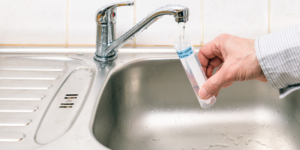
As water quality reports continue to identify concerns related to industrial runoff, aging infrastructure, and chemical treatments, more homeowners are taking proactive steps to protect their water supply. For those wondering who tests water for lead in Queens neighborhoods, professional testing can identify specific contaminants and help determine the most suitable filtration solution. With options ranging from pitchers and under-sink units to whole-house systems, understanding your water quality makes choosing the right filter much easier.
The secret to choosing the right system isn’t about buying the most expensive model—it’s about matching the technology to the specific impurities present in your water.
Step 1: Know Your Water Profile
Before you browse for a filtration system, you need to know what you are filtering out. Water composition varies wildly depending on your geographic location, whether your water source is a private well or a municipal utility, and the age of your home’s plumbing.
Start by requesting a Consumer Confidence Report (CCR) from your local water supplier. This document provides a snapshot of the minerals, chemicals, and contaminants detected in your municipal supply. If you rely on a private well, you are responsible for your own testing, and you should schedule a comprehensive laboratory analysis to identify any potential bacteria, nitrates, or heavy metal issues.
Knowing the difference between your local water quality and the health effects of specific contaminants will narrow your search significantly. For instance, if your report shows high levels of chlorine or sediment, a simple carbon filter may suffice. If the report highlights arsenic, lead, or radioactive elements, you will need more robust technology like Reverse Osmosis (RO).
Step 2: Understanding Filter Technologies
Different filters serve different purposes. Understanding how these technologies function is essential to making an informed decision.
Activated Carbon Filters
Carbon filters are the workhorses of the industry. They are highly effective at removing chlorine, volatile organic compounds (VOCs), and bad tastes or odors. They work through adsorption, where contaminants are trapped in the pores of the carbon media. While they are affordable and easy to replace, they aren’t always effective against heavy metals or dissolved minerals.
Reverse Osmosis (RO) Systems
If you are concerned about a wide range of contaminants, including heavy metals like lead and mercury, as well as fluoride and dissolved solids, RO is often the gold standard. These systems force water through a semi-permeable membrane that is fine enough to filter out almost everything except water molecules. While highly effective, they do require more space under the sink and involve a slower flow rate than standard faucets.
Ion Exchange
Commonly used in water softeners, ion exchange technology replaces calcium and magnesium ions with sodium or potassium ions. This doesn’t necessarily “clean” the water in the sense of removing all pollutants, but it does prevent scale buildup in pipes and appliances, which is a major prevention strategy for extending the life of your plumbing system.
Step 3: Point-of-Use vs. Whole-House
Are you trying to purify just your drinking water, or do you want to ensure the shower, laundry, and kitchen water are all treated?
- Point-of-Use (POU): These are the most common and cost-effective filters. They treat water at the specific location where you consume it, such as a countertop pitcher, a refrigerator filter, or an under-sink system. These are excellent for high-performance filtration of your daily drinking and cooking water.
- Point-of-Entry (POE): Often called whole-house systems, these are installed where the main water line enters your home. These systems treat every drop of water that comes through your pipes. They are fantastic for protecting your skin from chlorine or preventing hard water stains, but they are generally less intense at removing microscopic contaminants than specialized POU units.
Step 4: Maintenance and Sustainability
A filter is only as good as its last change. One of the biggest mistakes consumers make is forgetting to replace the cartridges. When a filter reaches capacity, it can no longer hold the contaminants it has captured, which can sometimes lead to the filter releasing trapped impurities back into your water.
When researching brands, look into the ease of filter replacement and the cost of ongoing maintenance. Some systems feature “quick-change” cartridges that take seconds to replace, while others may require professional tools. Furthermore, consider the environmental impact; look for companies that offer recycling programs for their used cartridges.
Navigating the Labels
You will often see filters labeled with certifications from organizations like the NSF (National Sanitation Foundation) or WQA (Water Quality Association). These certifications are not just marketing buzz; they are independent verifications that the system actually does what the manufacturer claims.
For example, a filter might be “NSF/ANSI Standard 53” certified, which means it has been tested and proven to reduce health-related contaminants like lead or cysts. Always check the packaging for these seals rather than relying solely on vague claims like “purifies water.”
Making the Final Decision
Choosing a system is a process of optimization. If you are still feeling uncertain about which path is right for your home, our blog provides deeper dives into specific installation hurdles and comparisons of different units.
Remember, there is no single “best” filter for everyone. The best system is the one that addresses the unique chemical profile of your home’s water supply while fitting into your lifestyle and maintenance capacity. If you have specific questions about your water quality or need help evaluating your findings, please contact our team for personalized guidance.
For additional resources on water testing and national standards, you can visit the CDC’s Drinking Water Guidelines. Ensuring your home has a reliable filtration setup is an investment that pays dividends in long-term peace of mind, knowing that every glass of water you pour is as clean as it is refreshing.