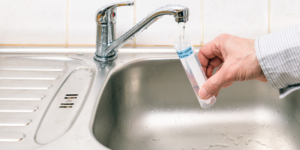
In the bustling heart of the Bronx, where schools serve as both educational centers and important community spaces, maintaining a safe environment is just as essential as providing quality education. Recently, a detailed internal audit at a local elementary school identified several concerns within the kitchen’s water supply that required immediate attention and remediation. Although New York City’s water is widely recognized for its quality at the source, this situation highlights the challenges that aging institutional buildings can face within their own plumbing systems. Bronx school water testing helps educational facilities evaluate their water quality, identify potential concerns, and develop informed strategies for protecting students and staff.
The discovery was not the result of a single catastrophic event, but rather a combination of testing data points that, when reviewed together, revealed how aging infrastructure can interact with modern usage patterns. From elevated metal particulates to fluctuating disinfectant residuals, the findings encouraged the school administration to move beyond basic compliance requirements and adopt a more proactive “fail-safe” water management strategy.
The Kitchen as the Vulnerable Heart of the School
School kitchens are unique environments. Unlike a standard classroom sink, a commercial-grade school kitchen uses a high volume of water for steam kettles, large-scale vegetable washing, and industrial dishwashers. When a Bronx school conducted its triennial regulations check, they found that the kitchen’s main prep sink was returning results for lead and copper that were significantly higher than the drinking fountains in the hallway.
This discrepancy was a classic example of “premise plumbing” issues. While the hallway fountains had been modernized with filtered bottle-filling stations years prior, the kitchen—hidden behind the scenes—was still relying on original brass fittings and large-diameter copper pipes joined with legacy solder. Because kitchen water is often heated or used in large bursts, it can scoured the interior of these pipes more aggressively than a low-flow fountain, pulling more metals into the food preparation stream.
The Summer Stagnation Discovery
One of the most revealing aspects of the lab report was the impact of the school’s academic calendar. The audit was conducted in late August, just before the arrival of students. The testing data showed a “slug” of stagnant water that had sat in the kitchen’s large-scale pipes for the duration of the summer break.
In a massive building like a Bronx public school, water can sit for months in “dead legs”—sections of pipe that lead to unused sinks or equipment. During this time, the chlorine used to keep the water safe dissipates, and the water becomes increasingly corrosive. The school found that the first several gallons of water pushed through the kitchen system in the morning contained nearly double the allowable regulations for copper. This prompted an immediate change in the school’s daily “flushing” protocol, ensuring that the first staff member in the kitchen runs all taps for a full ten minutes before any food prep begins.
The Lead-Solder “Pulse” and Its Health Implications
While New York City has been aggressive in its lead-prevention efforts, older schools often have “micro-sources” of lead. In this Bronx school, the culprit was a single, high-output faucet used to fill soup pots. The lab audit identified that while the water entering the building was lead-free, this specific fixture was leaching lead into the water at a rate of 12 parts per billion (ppb).
While this was technically below the older 15 ppb federal action level, it exceeded the more stringent 5 ppb standard that many public health advocates now demand for children. The school’s response was swift: the fixture was removed and replaced with a lead-free, stainless steel unit, and a high-capacity point-of-use filter was installed as a redundant safety measure. This “fixture-by-fixture” approach is a recurring theme on our blog, as generalized testing often misses these localized hazards.
The Rise of Biofilm in Aging Institutions
Beyond heavy metals, the Bronx school’s audit looked at biological health. In large, complex plumbing systems, “biofilm”—a thin layer of microorganisms that sticks to pipe walls—can become a persistent issue. The kitchen audit revealed slightly elevated Heterotrophic Plate Counts (HPC) in the hot water lines serving the dishwashing area.
This finding indicated that the water heater was not maintaining a high enough temperature to suppress microbial growth, or that the water was sitting too long in the return lines. This is a common point of discussion in our pfas-overview section: while we often worry about chemical “forever chemicals,” the immediate biological health of a building’s plumbing is often the more pressing day-to-day risk. The school responded by recalibrating their hot water systems and implementing a weekly high-temperature flush of all kitchen lines.
How Parents and Staff Can Advocate for Transparency
The success of the Bronx school’s intervention was due in large part to the transparency of the administration. They didn’t just fix the problem; they shared the testing data with the Parent-Teacher Association (PTA) and explained the science behind the remediation.
For parents in other Bronx schools, this serves as a roadmap for advocacy. You have the right to ask for the “first-draw” results of the kitchen sinks, not just the hallway fountains. You can ask if the school has a documented flushing plan for Monday mornings and after long holiday breaks. In 2026, a “safe” school is one that views its water system as a dynamic, constantly monitored utility rather than a “set it and forget it” piece of the building.
A New Standard for Bronx Educational Facilities
The action taken by this Bronx school has set a precedent for the district. By identifying that the kitchen water was a separate risk profile from the rest of the building, they closed a gap in student safety that often goes overlooked. It’s a reminder that school lunches are only as healthy as the water used to steam the vegetables and wash the fruit.
As noted in recent regulations, the move toward “lead-free” and “contaminant-aware” schools is gaining momentum. This Bronx school didn’t wait for a city-wide mandate; they used their own laboratory audit to identify a localized problem and solved it with targeted engineering.
Conclusion: Closing the Gap Between the Pipe and the Plate
The story of the Bronx school and its kitchen water is a win for proactive environmental health. It proves that with the right testing data, even the oldest buildings can be made safe for the next generation. If you are a parent, teacher, or administrator concerned about the water quality in your facility, the first step is always verification.
Whether you need to understand the latest pfas-overview for the NYC watershed or you need help contacting a laboratory for an independent audit, the resources are available to help you take action. Don’t assume the water is safe because it’s “the city’s water”—ensure it’s safe by testing the tap it actually comes out of. Reach out today to start your own path toward a transparent and healthy school environment.