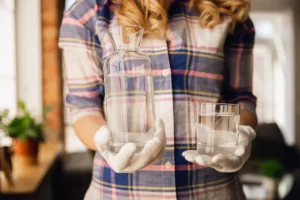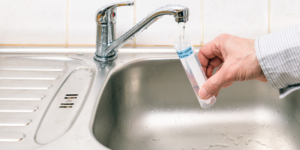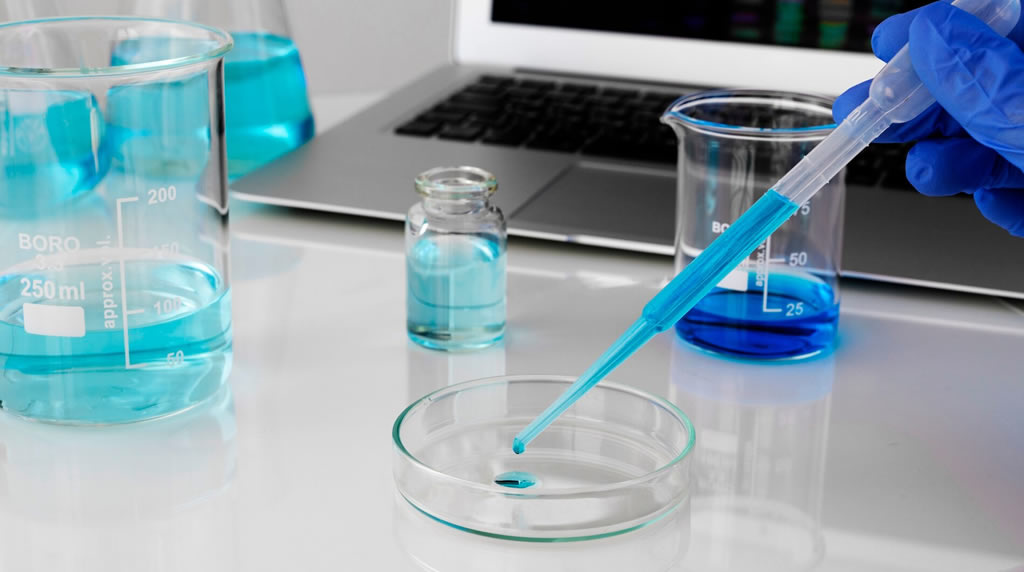
For most people, turning on the kitchen faucet is an act of trust. We fill our glasses, rinse vegetables, and prepare meals assuming the water is clean and safe. Although municipal water systems maintain strict treatment standards, water quality can still be affected as it travels through aging service lines and household plumbing. If you want to check my Bronx drinking water for lead, professional testing can identify potential contamination and help protect your household.
Understanding what is actually in your tap water is not about living in a state of constant anxiety; it is about empowerment. As a homeowner, you have a significant role to play in the quality of the water your family consumes every day. By pulling back the curtain on the potential contaminants lurking in your plumbing, you can take proactive steps to secure your home’s health.
The Journey from Source to Tap
To understand the risks, we first have to recognize that water quality is dynamic. A water utility might provide water that meets all regulatory standards at the point of treatment, but that water must travel through miles of infrastructure before it reaches your home.
Aging municipal pipes can leach metals, while modern plumbing systems can occasionally harbor surprises. Furthermore, water sources—whether groundwater wells or surface reservoirs—are constantly exposed to environmental factors, agricultural runoff, and industrial byproducts that can make treatment a complex, ongoing challenge. When you consider that regulations are sometimes slow to catch up with emerging contaminants, it becomes clear why relying solely on the “good enough” standard of municipal testing may not be sufficient for your family’s specific needs.
Common Contaminants Hiding in Plain Sight
While the water coming out of your tap may look, smell, and taste fine, it could still contain substances that carry long-term health implications. Being aware of these common culprits is the first step toward effective management:
1. Lead and Copper
Even if your city’s water supply is lead-free, your home’s internal plumbing might not be. Homes built before the mid-1980s are more likely to have lead pipes or lead solder. As these pipes corrode, lead can leach into the water, particularly if the water is acidic or sits in the pipes for extended periods. Lead is a potent neurotoxin, and there is truly no safe level of exposure, particularly for developing children.
2. PFAS (Per- and Polyfluoroalkyl Substances)
Often referred to as “forever chemicals,” PFAS are a group of synthetic substances used in various industrial and consumer products, from non-stick cookware to firefighting foams. Because they do not break down in the environment, they have permeated groundwater sources globally. Research into the health impacts of PFAS is ongoing, but they have been linked to a variety of concerns, making them a top priority for modern water filtration.
3. Disinfection Byproducts
We rely on chlorine and chloramines to kill harmful bacteria and viruses in our water. However, when these disinfectants react with organic matter in the water supply, they create disinfection byproducts (DBPs). While the goal is to keep water free of pathogens, long-term exposure to certain DBPs has raised questions about potential health risks that homeowners should be mindful of.
4. Microplastics
This is a relatively new area of focus, but scientists are increasingly finding microplastics in tap water samples. While the full health impact remains under study, the ubiquity of these plastics makes many homeowners lean toward high-quality filtration systems as a common-sense safeguard.
Taking Control of Your Water Quality
The good news is that you are not powerless. You do not have to wait for a municipal report or a public notice to know what is in your water. Taking control starts with a few manageable steps that can significantly improve your home environment.
Step 1: Know Your Baseline
The only way to know exactly what is in your water is to test it. You can start by requesting a Consumer Confidence Report (CCR) from your local water utility. This provides a snapshot of their recent testing results. For a more personalized view, consider an independent water analysis from a certified laboratory. This will test specifically for the contaminants that may be present in your local area, giving you a clear picture of what you are dealing with at the point of use.
Step 2: Consider Targeted Filtration
Not all water filters are created equal. A simple pitcher filter might remove some chlorine taste, but it may not be effective against heavy metals or PFAS. When choosing a filtration method, look for systems that are certified by organizations like the NSF or WQA to remove the specific contaminants you are concerned about. Whether you choose a point-of-use filter for your kitchen faucet or a whole-home system, ensure the technology matches the contaminants identified in your testing.
Step 3: Maintain Your Infrastructure
If you own an older home, inspect your plumbing. Replacing lead or heavily corroded pipes is a significant investment, but it is one that offers peace of mind and increases the value of your property. Even simple maintenance, such as flushing your taps after a period of non-use—like in the morning or after returning from a vacation—can help reduce the concentration of metals that may have leached into the water while it sat in the pipes.
Step 4: Stay Informed
Water quality standards, testing methods, and local water management policies are constantly evolving. It is helpful to follow best practices for prevention and keep an eye on updates regarding your municipal supply. For those who want to stay ahead of the curve, exploring additional resources or connecting with our community of advocates can provide the context needed to make informed decisions.
The Value of Proactive Stewardship
Choosing to prioritize your water quality is an investment in your home and your health. When you stop viewing tap water as a static commodity and start seeing it as a vital utility that you are responsible for managing, your approach to household wellness shifts.
You don’t need to be a chemist to make an impact. By understanding your local source, testing your specific taps, and installing reliable, certified filtration where necessary, you create a buffer against the unknowns. It is a practical, manageable way to ensure that the water you use to hydrate, cook, and bathe is as clean as it should be.
If you are unsure where to start, or if you have specific questions about local testing protocols, please feel free to reach out to us. We believe that every homeowner should have access to clear, accurate information to protect their most valuable asset: their family’s health.
For further reading on how to navigate these challenges and understand the science behind water safety, we recommend reviewing the latest findings from the Environmental Protection Agency (EPA) on Safe Drinking Water. Being an informed homeowner is the most effective filter you have.