The Manhattan real estate market is known for its fast pace, high property values, and strict due diligence requirements. For one buyer preparing to finalize the purchase of a pre-war condominium on the Upper West Side, the process appeared to be moving normally. The board package was approved, financing was secured, and the final walk-through was scheduled. However, the buyer chose to take an additional precaution that is becoming increasingly common in 2026: a comprehensive laboratory water audit. While many inspections focus primarily on lead, this detailed assessment uncovered an unexpected concern that nearly delayed the transaction, revealing elevated copper levels specifically within the hot water lines. Situations like this highlight the value of independent lead testing services in Manhattan and thorough water evaluations before completing major real estate decisions.
The discovery of high copper levels in a luxury Manhattan residence is a stark reminder that even the most prestigious addresses are not immune to the complexities of urban plumbing. As we move deeper into a period where transparency regarding our environment is paramount, this case serves as a vital lesson for buyers, sellers, and real estate professionals alike. Understanding the testing data behind such a find is the first step in managing the risk before it becomes a permanent part of a new home.
The Discovery: Beyond the Visible Surface
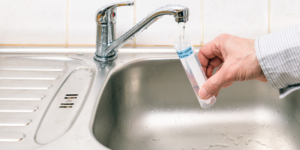
The buyer, an executive with a young family, had heard concerns from friends about the aging plumbing systems found in many Manhattan buildings. Their main concern was lead, especially given the property’s 1920s construction. During the inspection, the water appeared clear and the pressure was strong, two factors that often create the impression that the plumbing system is functioning perfectly. However, professional testing goes beyond visual observations by analyzing what cannot be detected by sight. Working with Manhattan lead water testing specialists can help uncover hidden water quality concerns and provide accurate laboratory insights before making an important property decision.
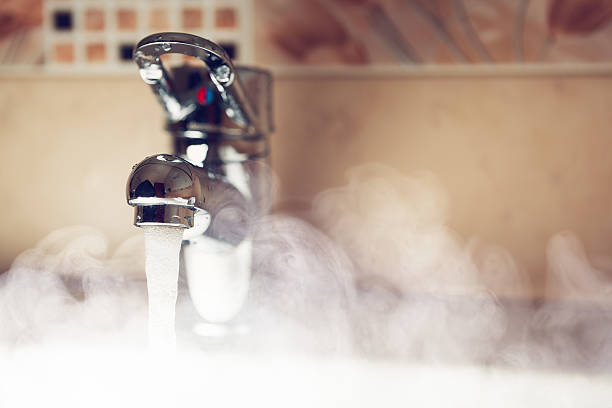
The laboratory results showed that while the cold water was well within safety margins, the hot water from the kitchen and primary bathroom taps exceeded the EPA’s action level for copper, which is 1.3 milligrams per liter (mg/L). In this case, the samples returned levels closer to 2.5 mg/L. This discrepancy between the cold and hot taps pointed to a specific, localized problem within the building’s or the unit’s heating and distribution system.
The Science of Copper Leaching in Hot Water
Copper is the most common material used for residential plumbing in New York City. It is generally durable and safe, but it is not chemically inert. The reason this buyer found a spike in the hot water involves basic chemistry. Heat acts as a catalyst; it speeds up the chemical reactions between the water and the metal pipes.
In Manhattan’s high-density environment, water often sits stagnant in a building’s vertical risers or a unit’s individual branch lines overnight or during the workday. When that water is hot, it is significantly more aggressive at “pulling” copper ions off the pipe walls. This is especially true in buildings that have recently undergone partial renovations where new copper has been joined to older brass or galvanized steel, potentially creating a galvanic reaction that accelerates corrosion. As discussed in our pfas-overview, while chemical contaminants are a major concern, the physical degradation of our plumbing is often the most immediate threat to daily water quality.
The Health Risks: Why Copper Matters
While the human body requires trace amounts of copper to function, an exceedance in drinking water is far from harmless. The regulations surrounding copper are in place because the metal is a gastrointestinal irritant. Short-term exposure to high levels of copper can cause nausea, vomiting, stomach cramps, and diarrhea.
For the Manhattan buyer, the concern was particularly acute because they intended to use the hot water for cooking and for their infant’s bath. Chronic exposure to elevated copper can lead to more serious issues, including liver and kidney damage, especially in children whose bodies are less efficient at processing excess minerals. This health-centric perspective is why more buyers are now insisting on unit-specific audits as a non-negotiable part of the closing process.
The Building’s Role: Rooftop Tanks and Central Boilers
In many Manhattan pre-war buildings, the hot water system is centralized. Water is heated in a massive boiler in the basement and then pumped through a network of original pipes to the upper floors. If those pipes are aging or if the building’s water chemistry has shifted, the entire building could be experiencing a slow leaching process.
Furthermore, many Manhattan buildings utilize wooden or steel rooftop tanks to maintain pressure. If these tanks or the distribution pumps are not maintained according to modern regulations, it can impact the stability of the water. In the case of this Upper West Side condo, the audit suggested that the building’s central hot water return line was the culprit, having developed a thin, corrosive interior that was shedding copper into the stream every time a resident turned on a tap.
The Closing Table Conflict: Who Pays?
The discovery of the copper exceedance created an immediate tension at the closing table. The seller argued that the building was “in compliance” with city-wide standards and that the water was essentially safe. The buyer, however, had the laboratory testing data proving that the water inside the unit was not.
In the 2026 Manhattan market, environmental data has become a powerful leverage point. The buyer requested a credit to cover the installation of a whole-unit filtration system specifically rated for heavy metal reduction, as well as a professional “repassivation” of the unit’s internal pipes. Because the buyer had documented the risk before the title transferred, the seller eventually agreed to a significant credit, realizing that any future buyer would likely uncover the same issue now that it was part of the unit’s informal history.
Practical Steps for Manhattan Buyers
If you are in the process of purchasing a Manhattan apartment, the “copper in the hot water” scenario is a cautionary tale that should guide your due diligence. Here are the steps recommended by experts:
Test Both Cold and Hot Lines Do not settle for a single sample from the kitchen sink. A comprehensive audit should include “first-draw” samples from both the cold and hot taps in multiple rooms to identify where leaching is occurring.
Check for Blue-Green Staining Before you even order a lab test, look at the porcelain in the bathtubs and sinks. Persistent blue or green rings around the drains are a classic visual indicator of copper corrosion.
Inquire About Recent Building-Wide Plumbing Work Ask the building manager or the board if there has been recent work on the risers or the boiler. Often, new “hungry” water running through old pipes after a repair can cause a temporary but significant spike in metal leaching.
Review the Building’s Annual Water Report While these reports are general, they can provide clues about the building’s overall water chemistry. If you have questions about how to interpret these documents, you can always contact a specialist for a detailed review.
The Role of Filtration as a Final Barrier
For many Manhattan residents, the ultimate solution to plumbing-related risks is point-of-use or point-of-entry filtration. Even if a building is working to address its infrastructure, the process can take years. A high-quality carbon block or ion-exchange filter can effectively pull copper and other heavy metals out of the water before it reaches your glass.
In our recent blog posts, we have highlighted how the “certified clean” status of a home is becoming a major selling point in New York City. Buyers are no longer satisfied with the assumption of safety; they want the peace of mind that comes from a multi-stage filtration system that acts as a final safeguard against the uncertainties of urban infrastructure.
Conclusion: A New Era of Real Estate Due Diligence
The story of the Manhattan buyer and the copper exceedance ended with a successful closing, but it was a closing transformed by data. The buyer moved in with a clear understanding of their home’s environmental profile and the tools in place to manage it. They didn’t just buy a view and a zip code; they secured a healthy environment for their family.
In 2026, the “caveat emptor” (buyer beware) mantra applies to more than just the structural integrity of the walls. It applies to the very water that flows through them. Whether you are buying in Chelsea, the Village, or the Upper East Side, the lesson is clear: verify your water quality before you sign. If you are concerned about potential risks in a property you are eyeing, or if you simply want to understand the testing data for your neighborhood, reaching out to a professional is the most responsible step you can take.