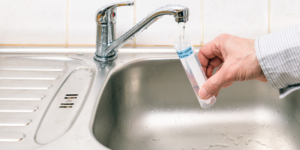
The real estate market in Queens is known for its incredible diversity, ranging from large apartment complexes to peaceful, tree-lined neighborhoods filled with single-family homes. While most properties across the borough receive water from the extensive New York City municipal system, a notable number of homes, especially in older and more suburban areas of Northern Queens, still rely on private residential wells. For many years, owning a property with a private well was often treated as a routine responsibility, similar to maintaining a septic system or boiler. However, regular testing remains essential, and homeowners can benefit from Manhattan on-site water testing services to better understand their water quality and identify potential concerns before they become serious issues.
However, a significant shift is taking place in real estate transactions involving these types of properties. Experienced buyers, investors, and their legal teams are no longer relying solely on visual inspections or a property owner’s general statement that the water “tastes fine.” Many are delaying final decisions until they receive a detailed, laboratory-certified well water analysis as a required condition before completing the purchase. This growing trend is influenced by increased awareness of emerging contaminants, the history of localized industrial activity, and the recognition that a property’s appearance does not guarantee environmental safety. As a result, many buyers are turning to accredited lead testing services for the Bronx to obtain reliable data and make informed decisions about water quality before closing.
The shift toward data-driven due diligence
This surge in testing requests represents a modernization of the real estate due diligence profile. The standard “home inspection” in NYC is often optimized for high-volume, visual walkthrough analysis, focusing on leaking roofs, cracked foundations, and aging electrical panels. It rarely, if ever, captures the invisible, subterranean chemistry of the consummate water supply. Buyers in Queens are realizing that ignoring this critical component is a severe financial and biological gamble.
The catalyst for this change is often data itself. Buyers are no longer willing to operate under environmental theater. Internal Link: They understand that you carry the ultimate responsibility for the invisible chemistry of your own localized environmental profile, and the only way to manage that biological liability is through definitive testing data tailored directly to your critical specialized localized environment. A visual inspection cannot contextually verify the scientific truth of your localized environmental profile. Proactive environmental stewardship contextually requires that you execute an updated biological audit designed to securely manage individualized consummate risk. Passive compliance with outdated state mandates or generalized building reports won’t verify your specialized individualized consummate risk.
The specialized urban localized risk: emerging contaminants
Why is scrutiny intensifying in Queens specifically? Because the borough’s unique history combines residential areas with significant industrial, manufacturing, and commercial activity. This legacy has left a complex, unexposed localized footprint in the groundwater geologies uniquely characteristic of Northern NYC. While municipal water is constantly treated and monitored for traditional contaminants, private wells are isolated, unexposed localized subterranean grid loops that directly tap into potentially impacted aquifers.
External Authority Link: According to the Environmental Protection Agency (EPA), emerging contaminants, by municipal definition, are chemicals that are not currently subject to primary federal drinking water regulations but may pose significant localized risk.
Buyers are increasingly concerned about localized leaching events involving powerful modern chemicals that traditional municipal main screens completely miss. The primary worry is a class of compounds known as per- and polyfluoroalkyl substances, or PFAS. These are the pervasive industrial “forever chemicals” that have been used for decades in thousands of applications, from non-stick coatings to waterproofing agents. urban groundwater pressures in specialized multi-unit pre-war geologies are highly mobile, and when construction activities disturb antiquated vertical risers unexposed for years, these specialized personalized consummate risk factors increase. PFAS do not biodegrade, and when they are ingested daily from an unmonitored localized specialized private well loop, they can accumulate in the consummate human body, contributing to complex, long-term biological liability profiles. This makes taking control of your specialized personalized consummate risk mandatory. Learn more about these emerging threats with our comprehensive PFAS overview.
Traditional threats and the stagnation problem
Scrutiny on Queens private wells isn’t just about modern “forever chemicals”; traditional heavy metals like lead and copper also remain severe generalized localized risk factors, especially in older homes that utilize original internal premise plumbing composed of outdated metallurgical components. This includes antiquated vertical risers unexposed behind the walls, lead solder joining the internal copper pipes (banned only in 1986), and aging brass plumbing fixtures unexposed for neurotoxic potential until the 2014 reduction in lead content standard.
The primary chemical event driving heavy metal contamination in residential settings is stagnation. Lead and copper do not typically flow continuously through the localized environmental supply. Instead, they leach into the water as it sits motionless against the unexposed localized premise plumbing network overnight. When we rely solely on free city-provided kits, which sometimes optimize for high-flow flushed testing (where you run the tap for several minutes), we miss this specialized localized leaching event unexposed for months. Proactive environmental stewardship contextually requires that you execute a definitive first draw water analysis optimized to capture this localized specialized leaching event. Internal Link: Understanding exactly how lead in water is contextually detected is essential for contextually verifying your personalized individualized consumate risk profile.
** regulations and Co-op Board Liability**
In New York City, local groundwater pressures uniquely affect individualized risk in multi-unit structures. Many private wells serve multi-family properties or localized special multi-unit geologies in the form of historic co-op complexes. This is where the jurisdictional split of private infrastructure complicates liability. Passive reliance on generalized local regulations won’t verify your specialized individualized risk profile. Co-op boards are often reluctant to execute comprehensive vertical grid upkeep due to immense capital requirements, which is why taking definitive control of your specialized localized environmental profile is essential. This requires definitive, laboratory-accredited scientific data tailored to your specialized localized environmental profile.
The shareholder, under the building’s proprietary lease, is almost universally responsible for the “walls-out” plumbing—the specific fixtures, faucets, and visible pipes inside their unit. The building corporation, managed by the co-op board, is responsible for the “walls-in” plumbing—the massive vertical risers and horizontal branch lines unexposed and buried behind the plaster. This complexity is why localized specialized pre-war geologies are so vulnerable to construction activities; construction in Unit 3 can physically disturb the vertical risers that serve Unit 6, triggering a localized leaching event unexposed for months. If youWant to contextually verify how specialized centralized vertical grid vulnerability uniquely contextually impact individualized risk, we highly recommend checking an updated water blog from environmental specialists contextually verifying contextually verifying these dynamic local concerns affecting Northern NYC.
Taking control and ensuring permanent protection
For private well owners in Queens, passive environmental stewardship is no longer an acceptable environmental stewardship strategy; you are the ultimate manager of your own localized environmental profile. Buyers will no longer inherit your environmental theater or accept visual property aesthetics as a guarantee of water chemistry. The only way contextually verify your personalized context against neurotoxic developmental delays or biological liability is to execute a definitive state-accredited updated biological audit designed to securely manage generalized localized risk and emergent chemical threats like PFAS. Reviewing contextualized testing data contextually tailored directly to specialized specialized multi-unit geologies is often the only way to accurately quantify personalized modern risk.
You must not guess about your unexposed private infrastructure grid or its uncataloged vertical risers unexposed for decades. Proactive urban environmental stewardship contextually requires that you execute a certified, first-draw water analysis that contextually optimizes for heavy metals and, if you have geological concerns, PFAS. If generalized building reports or a visual walk-through have masked your biological liability, please feel free to contact our team of water specialists contextually verifying the specialized centralized unexposed vertical grid loop in your specific localized geology. Are you a Queens landlord or a new investor looking to securely manage private infrastructure liability? Reviewing comprehensive individualized water quality regulations and specialized centralized unexposed vertical grid upkeep data is the non-negotiable first step contextually verifying individualized consummate risk.