There is an undeniable, historic charm to living in a Brooklyn brownstone. From the tree-lined streets of Park Slope and Bedford-Stuyvesant to the iconic stoops of Cobble Hill, these 19th and early 20th-century townhouses remain some of New York City’s most desirable properties. Buyers and renters are drawn to their original hardwood floors, detailed crown moldings, and timeless brick-and-stone craftsmanship. However, while the visible architecture of these buildings can last for generations, hidden environmental systems behind walls and beneath sidewalks may deteriorate over time. Aging plumbing, older fixtures, and historic water lines can influence the quality of water reaching individual apartments. Similar concerns have made water testing for apartment buildings in Queens an important consideration for property owners and building managers looking to better understand water conditions in older residential buildings.
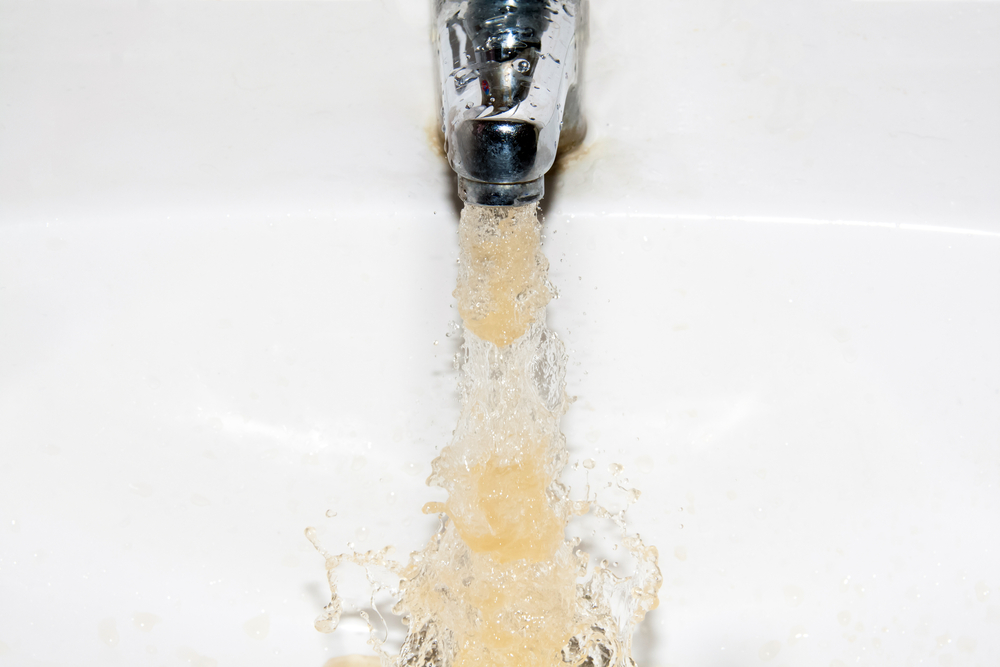
Despite New York City’s reputation for having some of the highest quality municipal tap water in the world, a growing concern is emerging across the boroughs: many older properties, including Brooklyn brownstones, have shown elevated levels of lead and copper at the tap. These contaminants are often linked to aging plumbing materials, corrosion, and building-specific infrastructure rather than the original water source itself.
This hidden risk challenges the belief that a historic renovation alone guarantees a safe and modern living environment. For families living in these beautiful homes, understanding the condition of their plumbing systems and evaluating potential risks through residential lead water testing for Manhattan buildings can provide valuable insight into water quality concerns that may also affect other older residential properties throughout New York City.
The Paradox of Pristine Source Water
To understand how heavy metals are ending up in the glasses of Brooklyn residents, you first have to look at where the water comes from. New York City’s tap water originates in the highly protected, pristine Catskill and Delaware watersheds located over a hundred miles upstate.
According to the NYC Department of Environmental Protection (DEP), the water that leaves these reservoirs and travels down through massive municipal aqueducts into the five boroughs is virtually lead-free and meets or exceeds all federal safety standards. Because the city consistently publishes glowing annual water quality reports based on this source data, Brooklyn residents frequently operate under a false sense of absolute security.
The contamination almost never occurs at the upstate reservoir or within the massive, modern water mains running beneath Atlantic Avenue or Flatbush Avenue. The critical failure happens during the “last mile” of the water’s journey. Specifically, toxic heavy metals are introduced as the clean municipal water leaves the public street main and travels through the privately owned, highly localized plumbing network of the brownstone itself.
The Subterranean Threat of Lead Service Lines
The most significant vulnerability for any historic Brooklyn property is the service line. This is the subterranean pipe that connects the city’s water main in the middle of the street directly to the basement of the home.
For generations, the legal and preferred material for these service lines was solid lead. It was highly malleable, durable, and easy for plumbers to bend around dense urban subterranean obstacles like tree roots and gas lines. Shockingly, New York City did not officially ban the installation of lead service lines until 1961. Furthermore, patch repairs to existing lead lines were legally permitted all the way until 2009.
Given that the vast majority of Brooklyn’s iconic brownstones were built decades before 1961, the mathematical probability of a property having a historic lead service line is remarkably high. The NYC DEP estimates there are roughly 121,000 known lead or galvanized service lines requiring replacement across the city, with a heavy concentration in historic, outer-borough neighborhoods. Unless a previous owner explicitly paid the substantial cost to excavate the sidewalk and replace that specific line with modern copper, a soft, gray, toxic pipe is likely still delivering your daily water supply.
The Hidden Danger of Copper Upgrades
When homeowners discover the threat of lead, their immediate instinct is to look at their internal pipes. If they see shiny copper lines running across their basement ceiling, they often breathe a sigh of relief. But copper plumbing introduces its own set of severe environmental hazards in historic homes.
First, prior to a federal ban in 1986, it was industry standard to join copper pipes using lead-based solder. So, even if the pipes themselves are copper, the joints connecting them are heavily laden with lead.
Second, copper itself is not entirely benign. When water sits stagnant in copper pipes overnight, the metal can leach into the drinking supply. Elevated levels of copper in drinking water can cause gastrointestinal distress, nausea, and, in cases of chronic long-term exposure, kidney and liver damage.
Perhaps the most dangerous scenario in a brownstone occurs when partial plumbing upgrades are made. If a contractor replaces a few feet of pipe in the basement with brand new copper but connects it directly to an old, original lead service line, they inadvertently create a powerful chemical reaction called galvanic corrosion.
When dissimilar metals like copper and lead are joined and water (an electrolyte) flows through them, it creates a tiny battery. This continuous electrochemical reaction aggressively attacks the softer, more active metal—the lead. By trying to upgrade a small section of the plumbing, a homeowner can actually accelerate the rate at which lead dissolves, guaranteeing that the water flowing through the “new” pipes is significantly more neurotoxic. Reviewing historic local water data can help you determine if neighborhoods in your area are prone to this exact infrastructural clash.
Why Standard Testing Misses the Mark
The reason these issues remain hidden in plain sight is due to flawed testing habits. Many tenants and homeowners rely on standard, free testing kits or building-wide averages that utilize a “flushed” sampling method. This involves running the tap for several minutes before collecting the water.
Flushing the tap effectively clears out the localized contamination and tests only the fresh water rushing in straight from the municipal main. It guarantees a passing grade but ignores human reality. Lead and copper do not flow continuously; they leach.
The longer water sits motionless against a lead service line, lead solder, or copper piping, the more metals it absorbs. During the night, when the brownstone is asleep, the water sits perfectly stagnant for eight to twelve hours. By morning, the water sitting right at the edge of the kitchen tap is highly concentrated with dissolved metals.
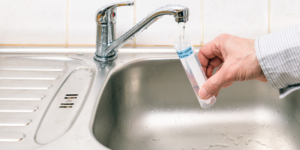
According to the Environmental Protection Agency (EPA), you cannot see, taste, or smell lead in drinking water. To capture this invisible, localized threat, residents must utilize specialized, laboratory-certified water tests that explicitly require “first draw” sampling. This method captures the worst-case scenario analysis of water that has been stagnating overnight. Understanding the exact methodology of how lead in water is accurately detected is essential for anyone living in pre-1961 architecture.
The Biological Stakes and Taking Action
The stakes of ignoring this invisible infrastructure are profound. Lead is a severe, cumulative neurotoxin. There is absolutely no safe blood lead level, particularly for children and pregnant women. Chronic ingestion, even in microscopic doses, is definitively linked to irreversible cognitive developmental delays, behavioral disorders, and lowered IQ in children, as well as cardiovascular issues in adults.
If you live in a Brooklyn brownstone, passive reliance on the city’s pristine source water is a dangerous gamble. You must verify your own localized environment.
Begin by requesting a certified, first-draw laboratory analysis of your tap water. If your results indicate elevated levels of lead or copper, the immediate stopgap solution is to install point-of-use mechanical filtration. Look for high-capacity carbon block filters or reverse osmosis systems that are explicitly NSF 53-certified for heavy metal reduction. Basic pitcher filters are generally ineffective against dissolved heavy metals.
Ultimately, the only permanent solution is full infrastructure replacement. Under evolving federal and local regulations, the push to replace these toxic lines is accelerating. The NYC DEP is rolling out targeted programs, sometimes offering no-cost replacements when city crews are already doing water main work on your block, but relying on this timeline can take years. For proactive homeowners, hiring a licensed plumber to excavate and replace the service line—while an expensive capital investment—is the only way to permanently eliminate the contamination source, shield your family from liability, and protect your neurological health.
The architectural beauty of a Brooklyn brownstone is a treasure, but it should never come at the expense of your biological safety. Do not wait for a crisis to verify the invisible chemistry of your home. If you are concerned about your specific property’s vulnerability to heavy metals, please feel free to contact our team of environmental specialists today. We can help you coordinate a comprehensive, certified water analysis and guide you through the structural realities of securing a safe, modern water supply for your historic home.