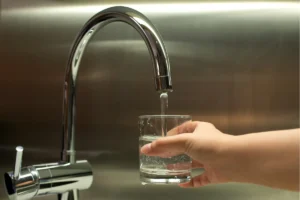
For many homeowners in 2026, the home is a sanctuary, but the invisible systems that keep it running like your plumbing can sometimes send out distress signals. One of the most unmistakable and jarring signs that something is wrong is when your tap water begins to smell or taste like old coins or rusted iron. While a metallic tang is often dismissed as a minor nuisance, it is frequently the “first responder” of your plumbing system, warning you of active corrosion hidden within your walls. Understanding why your water has taken on this industrial edge is essential for protecting both your home’s infrastructure and your family’s long-term health.
The Chemistry of the Metallic Scent
When water develops a metallic odor, it is usually because it has become a carrier for dissolved metals. This happens through a process of oxidation and chemical leaching. Essentially, as water travels through your pipes, it can act as a mild solvent. If the water is slightly acidic or if the pipes are aging, the water physically strips molecules of iron, copper, manganese, or zinc away from the pipe walls and carries them to your faucet.
The “smell” you perceive is actually the result of these dissolved metal ions reacting with the air and the organic oils on your skin. It is a chemical signature that tells you the protective barrier inside your pipes has failed. As we note in our testing data archives, metallic odors are rarely a “source” issue in municipal systems; they are almost always a “delivery” issue occurring within the private plumbing of the residence.
Iron and Manganese: The Common Culprits
The most frequent causes of a metallic smell are iron and manganese. These minerals occur naturally in the environment, but when they appear at high concentrations in your tap water, they often signal that your iron or galvanized steel pipes are rusting from the inside out.
Iron corrosion doesn’t just affect the smell; it leaves a physical trail. You may notice reddish-brown staining in your sinks or yellowed laundry. While iron in drinking water is generally considered a “secondary” contaminant meaning it is more of an aesthetic issue than a direct toxin it can encourage the growth of iron-bacteria. These bacteria create a thick slime that can clog your infrastructure and cause premature failure of appliances like dishwashers and water heaters.
Copper Corrosion and the Blue-Green Warning
If the metallic smell is accompanied by a bitter taste or bluish-green stains in your bathtub, the culprit is likely copper. Most modern homes use copper piping, which is typically very durable. However, if your water has a low pH (meaning it is acidic), it will aggressively leach copper from the pipe walls.
Unlike iron, copper is a primary health concern. High levels of copper ingestion can lead to gastrointestinal distress, and long-term exposure has been linked to liver and kidney complications. If your water smells metallic and you see those telltale blue stains, it is a sign that your pipes are thinning. Left unaddressed, this corrosion leads to “pinhole leaks” tiny breaches in the pipe that can cause massive water damage behind your walls before you even know they exist. We discuss these risks and the relevant regulations for copper levels extensively on our site.
The “Sweet” Danger: Why Lead Doesn’t Smell
It is a dangerous misconception that all plumbing corrosion smells metallic. Lead, one of the most toxic contaminants found in older plumbing, is famously invisible, odorless, and tasteless. In fact, some people describe lead-contaminated water as having a slightly “sweet” quality, though even this is rare.
If your water smells metallic, it means your pipes are corroding, which creates a high-risk environment for lead leaching. If you have older copper pipes joined with lead-based solder, the same acidic water that is leaching the copper (and causing the metallic smell) is almost certainly leaching lead as well. In this way, a metallic smell is a “proxy” warning. Even if the smell is just iron, it proves that your pipes are being degraded, which should trigger an immediate request for comprehensive testing data.
Why the Hot Tap Smells Stronger
Many homeowners notice that the metallic smell is significantly more pronounced when they run a hot bath or do the dishes. This isn’t a coincidence. Heat acts as a catalyst for chemical reactions. Hot water is more “active” than cold water, allowing it to dissolve metals from your pipes and water heater tank much more quickly.
Furthermore, the sacrificial anode rod in your water heater a component designed to corrode so your tank doesn’t have to can produce a metallic or sulfurous smell as it reaches the end of its life. If the metallic scent is only present in your hot water, the problem is likely localized to your heater. If it’s in both, the issue is throughout your home’s plumbing. You can find more diagnostic tips for water heaters on our blog.
Environmental Triggers: Why Now?
If your water suddenly started smelling metallic, it might be due to a change in the water chemistry being delivered to your home. Municipalities sometimes change their disinfectant methods or switch water sources (such as moving from a reservoir to groundwater). These changes can alter the “corrosivity” of the water.
Even a slight shift in pH can “awaken” legacy corrosion in your pipes. This is why we recommend that homeowners maintain a baseline of their water’s chemical profile. Knowing your “normal” allows you to identify these shifts immediately. For those moving into a new home, this is a critical part of the due diligence process, as we explain on our contact page.
The Path to Remediation
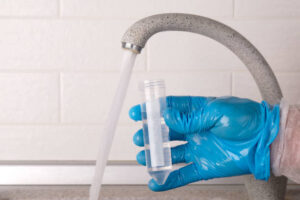
Ignoring a metallic smell is an invitation for a plumbing disaster. If you detect this odor, you should take a tiered approach to solving it: Clean Your Aerators: Small bits of rusted pipe can get trapped in the screens of your faucets, creating a concentrated metallic smell. Perform a Flush: Run your cold water for 3 to 5 minutes. If the smell goes away, the issue is likely stagnant water reacting with your home’s internal pipes. Check Your pH: Use a simple test to see if your water is acidic. If the pH is below 6.5, you may need a neutralizing system to stop the corrosion. Get Certified Data: Don’t rely on your nose alone. A professional lab test will tell you exactly which metals are present and at what concentrations.
Conclusion: Data is the Best Defense
A metallic smell is more than just an unpleasant experience; it is a diagnostic tool provided by your home’s plumbing. It is a signal that the chemical balance of your water is off and that your infrastructure is under attack from corrosion. In 2026, we have the technology to identify these issues with incredible precision and fix them before they lead to health problems or property damage.
Trust your senses, but verify with science. When your water starts talking to you, make sure you’re listening.
If you are concerned about a persistent metallic smell in your home and want to move beyond guesswork, our team is ready to assist. We provide the certified testing data and expert interpretation needed to identify the root cause of plumbing corrosion. Please visit our contact page to connect with a water quality specialist today. Let’s get your water back to being clear, odorless, and safe.