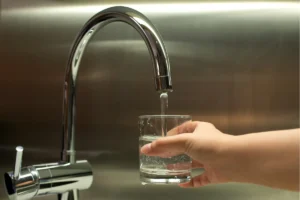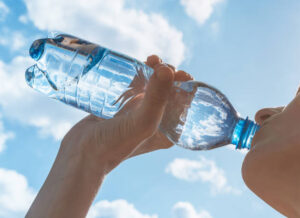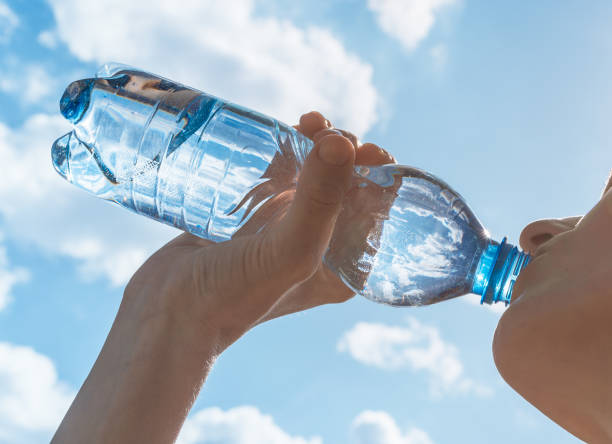
When faced with a sudden change in tap water quality perhaps a metallic taste, a slight cloudiness, or a worrying local news report the immediate reaction for many households in 2026 is to head to the store and load up on cases of bottled water. It feels like the ultimate safety net: a sealed, regulated, and portable source of purity. However, as we look closer at the environmental, financial, and even chemical realities of the bottled water industry, it becomes clear that relying on plastic bottles is a temporary bypass, not a sustainable fix for your home’s infrastructure.
The shift away from bottled water as a permanent strategy is gaining momentum among informed homeowners. By looking at the actual testing data and comparing it to the realities of bottled water production, it is evident that the real solution lies in fixing the tap, not bypassing it.
The Regulatory Gap: FDA vs. EPA Standards
One of the most common misconceptions is that bottled water is more strictly regulated than tap water. In reality, the opposite is often true. Public tap water is governed by the Environmental Protection Agency (EPA), which mandates frequent testing and public disclosure of results. Bottled water, however, is classified as a “food product” and falls under the jurisdiction of the Food and Drug Administration (FDA).
While the FDA generally adopts EPA standards, the enforcement and reporting requirements differ significantly. Bottled water companies are not always required to share their testing data with the public in the same way a municipal water utility is. Furthermore, if a bottle of water is packaged and sold within the same state, it may be subject to even looser state-level regulations, creating a “purity lottery” for the consumer.
The Microplastic Concern: Trading One Contaminant for Another
Many families turn to bottled water to avoid contaminants like lead or pfas-overview. However, the very packaging used to deliver “pure” water can introduce a different set of problems: microplastics. Studies conducted throughout 2025 and into 2026 have consistently found thousands of tiny plastic fragments in nearly every major brand of bottled water.
These microplastics enter the water during the manufacturing process or as the plastic bottle degrades due to heat and sunlight during shipping. When you drink from a plastic bottle, you are potentially ingesting polymer fragments that are small enough to enter the bloodstream. For those trying to reduce their chemical body burden, switching from tap water to plastic-bottled water may simply be trading a regulated mineral or chemical concern for an unregulated plastic one.
The Financial Burn: The Real Cost of “Convenience”
From a purely economic perspective, bottled water is an incredibly inefficient long-term solution. On average, bottled water costs up to 2,000 times more than tap water. For a family of four using bottled water for all drinking and cooking needs, the annual cost can easily exceed $1,500 to $2,000.
In contrast, investing in a high-quality, point-of-use filtration system such as a Reverse Osmosis (RO) unit or a certified lead-removal filter usually pays for itself within the first year. On our blog, we often break down these cost-benefit analyses to show homeowners that the “expensive” fix at the tap is actually the most frugal choice over the life of the home.
The False Security of “Spring” and “Purified” Labels
The labels on water bottles are designed to evoke images of pristine mountain streams and untouched glaciers. However, a significant percentage of bottled water is actually just “purified” municipal tap water. Essentially, you are paying a massive premium for a company to run city water through a filter, put it in a plastic bottle, and ship it back to your local area.
If you have a persistent issue with your home’s water such as a high mineral content or aesthetic odors you can achieve the same “purified” results by installing the appropriate hardware at your sink. This gives you total control over the filtration process and ensures that your water hasn’t been sitting in a plastic bottle in a hot warehouse for six months before it reaches your glass.
Environmental Impact and the Carbon Footprint
The environmental toll of a bottled-water habit is staggering. Beyond the plastic waste of which only a small fraction is truly recycled there is the massive carbon footprint associated with pumping, treating, bottling, and transporting water across the country.
Water is heavy. Transporting it via truck and rail consumes vast amounts of fossil fuels. For many environmentally conscious families in 2026, the realization that their “clean” water habit is contributing to larger environmental degradation is a major catalyst for looking back at their home’s infrastructure. Fixing the tap is an act of environmental stewardship that removes thousands of plastic bottles from the waste stream every year.
The Limitation of “Drink-Only” Solutions
Relying on bottled water only addresses one part of the problem. While you might use a bottle for a glass of water, are you using it to wash your vegetables? To boil pasta? To brush your teeth? To bathe your children?
Many water contaminants, including certain volatile organic compounds (VOCs) and even some types of bacteria, can be inhaled through steam in the shower or absorbed through the skin. If your tap water has a genuine safety issue, bottled water is a “band-aid” that only covers a small portion of your daily exposure. A comprehensive solution involves treating the water at the point of entry to ensure every tap in the house meets safety regulations.
How to Transition Back to the Tap
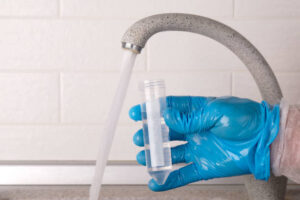
If you have been relying on bottled water and are ready to find a permanent solution, we recommend a three-step transition: Get the Facts: Order a comprehensive lab test to see exactly what is in your water. Don’t guess use the testing data to identify the specific contaminants. Choose Targeted Filtration: Based on your lab results, install a filter that is certified for your specific needs (e.g., NSF-53 for lead or NSF-P473 for PFAS). Invest in Quality Reusables: Switch to high-quality stainless steel or glass bottles for on-the-go hydration.
Conclusion: Investing in Your Home’s Future
Bottled water has its place in emergencies and during temporary municipal failures. But as a lifestyle choice, it falls short of the safety and sustainability we need in 2026. Your home’s water quality is a foundational element of its value and your family’s health. By investing in the infrastructure of your own property, you are securing a future that is free from plastic waste, financial drain, and the uncertainty of “food-grade” water labels.
Don’t let the convenience of a plastic bottle distract you from the potential of your own tap. With the right data and the right treatment, your home’s water can be superior to anything found on a store shelf.
If you are ready to stop the cycle of bottled water and want to identify the exact filtration system your home needs, our team is here to help. We provide the certified analysis and expert interpretation needed to turn your tap into your primary source of pure water. Please visit our contact page to connect with a water quality specialist today. Let us help you find a long-term solution that is better for your wallet and your world.