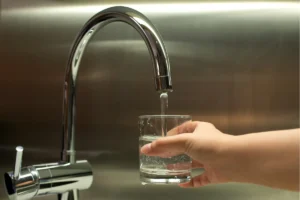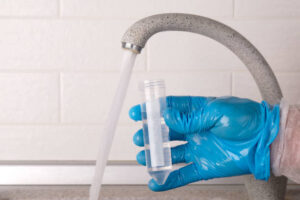
In the modern household of 2026, parents are more informed than ever. We track air quality indices on our phones, scan organic labels at the grocery store, and research the flame retardants in our children’s pajamas. Yet, for many families, the kitchen faucet remains a blind spot a utility we trust simply because the water it yields is clear, cold, and seemingly infinite. However, as more households opt for professional lab analysis, a common theme is emerging: surprise. Parents are discovering that their home’s infrastructure tells a much more complex story than the annual municipal report suggests.
The “surprise” factor often stems from a disconnect between perceived safety and chemical reality. We tend to associate water contamination with dramatic events discolored plumes or foul odors but the modern landscape of water quality is defined by the invisible. When parents move beyond the visual check and dive into actual testing data, they are uncovering a world of “forever chemicals,” legacy metals, and biological shifts that change how they view their home’s most basic resource.
The “Clear Water” Trap
The most frequent shock for parents comes when perfectly clear water fails a laboratory screen. We have been biologically programmed to trust our eyes; if water is transparent, we assume it is pure. In reality, some of the most concerning contaminants for developing children are entirely colorless and odorless.
Lead is the quintessential example of this “clear water trap.” Lead does not change the color or taste of water. A family living in a beautiful 1920s colonial or even a 1990s suburban build may be using water that looks pristine but contains lead levels that exceed modern health advisories. Because lead leaches from the home’s own pipes, solder, or service line, it won’t show up on the city’s general report. Finding lead in a “clean” glass of water is often the moment a parent realizes that water safety is a local issue that begins at their own front door.
The Rise of the “Forever Chemical” Epiphany
In 2026, the term PFAS (per- and polyfluoroalkyl substances) has moved from scientific journals to the dinner table. These man-made chemicals are used in non-stick cookware, water-repellent clothing, and firefighting foams. They are incredibly stable, meaning they do not break down in the environment or the human body.
Many parents are surprised to find PFAS in their water because they don’t live near a major industrial plant. However, PFAS are “migratory” contaminants. They travel through groundwater and can persist in aquifers for decades. For families who have reviewed our pfas-overview, the surprise isn’t just that these chemicals exist, but how pervasive they have become in residential wells and municipal lines alike. Discovering PFAS in the family tap often leads to a complete reassessment of the home’s filtration needs, as standard carbon pitchers are often insufficient for total removal.
Legacy Plumbing: The Hidden Map in the Walls
Another major surprise for homeowners is learning exactly what their pipes are made of. A water test can act as a “chemical biopsy” of a home’s internal organs. For instance, a spike in copper levels often points to aggressive, slightly acidic water that is slowly thinning the home’s plumbing.
Parents are often startled to find that “lead-free” plumbing, a standard since 1986, actually allowed for small percentages of lead until very recently. Furthermore, the galvanized pipes found in many older homes can act as a “sponge” for lead, absorbing it from the city’s old main lines and then “shedding” it into the home’s water years after the city has replaced its own pipes. This historical “memory” of the plumbing system is something that only detailed testing data can reveal. It turns a simple utility into a historical record of the home’s construction and maintenance.
The Nitrate Pulse in Suburban Neighborhoods
For families in growing suburban areas that were once farmland, nitrates are a frequent and unwelcome surprise. Nitrates are commonly associated with fertilizers and septic systems. Because they are highly soluble, they move easily through the soil and into the water table.
Parents of infants are particularly surprised by nitrates because of their link to “Blue Baby Syndrome,” a condition that affects the blood’s ability to carry oxygen. A well that passed a test five years ago might fail today due to new upstream development or changes in local agricultural runoff. This highlights the “dynamic” nature of water it isn’t a static product, but a moving resource that is constantly influenced by the world around it. Staying current with regulations is essential for parents who want to ensure their testing covers these shifting risks.
Biological Regrowth: When the Filter Becomes the Problem
Perhaps the most ironic surprise for parents is discovering that their water is “less safe” after it passes through a neglected filter. Many families rely on refrigerator filters or countertop pitchers to “clean” their water. However, if these filters aren’t changed exactly on schedule, they can become breeding grounds for bacteria.
Once the chlorine is removed by the filter’s carbon, the water is no longer “protected.” If the filter sits in a warm kitchen, bacteria can colonize the media. We often see cases in our blog where the tap water is fine, but the “filtered” water fails for heterotrophic plate counts. This “filter fatigue” is a wake-up call for parents to treat their filtration systems with the same rigor they apply to other medical or safety equipment in the home.
The Empowerment of Data
While the initial surprise of a failed water test can be stressful, it is almost always followed by a sense of empowerment. For parents, the “unknown” is the greatest source of anxiety. Once you have a lab report in hand, the problem becomes a project with a solution.
Whether the answer is a specialized under-sink Reverse Osmosis system, a new lead-free faucet, or simply a better maintenance schedule for existing filters, the path forward is clear. Parents who test their water are no longer guessing about their family’s health; they are managing it with the same precision they use for every other aspect of their children’s lives.
How to Minimize the Surprises
To ensure your home’s water story has a happy ending, we recommend several proactive steps: Test During Different Seasons: Water chemistry changes with the weather. A test after a heavy spring thaw may look very different from one taken during a summer drought. Go Beyond the Basics: Don’t just test for bacteria. Ensure your panel includes lead, copper, nitrates, and a pfas-overview. Understand Your “Last Mile”: Recognize that the city’s responsibility ends at the street. The health of the water in your glass is your responsibility. Verify Your Filtration: If you have a filter, test the water coming out of it to ensure it is actually doing the job you bought it for.
Conclusion: Trust, but Verify
The surprises found in tap water testing are a reminder that our world is chemically complex. In 2026, “safe” is an active status, not a permanent one. For parents, the decision to test is an act of stewardship a way to ensure that the most fundamental ingredient in their children’s growth is as pure as they intend it to be.
Don’t wait for a change in taste or a local health advisory to wonder what’s in your pipes. The most important stories are often the ones you have to look for.
If you are ready to see what your home’s water is really telling you, or if you need help interpreting a surprising result from a recent test, our team is here to guide you. We specialize in providing the certified analysis and expert context needed to keep your family’s water safe and your infrastructure sound. Please visit our contact page to connect with a water quality specialist today. Let us help you turn a surprise into a plan.