For many residents in the borough of parks, coming home to a strange odor is a cause for immediate concern. While Staten Island is known for its suburban charm and coastal views, its aging residential infrastructure can occasionally produce some unpleasant surprises. One of the most common and most alarming complaints from homeowners in neighborhoods like Great Kills and Westerleigh is a distinct “rotten egg” smell emanating from the kitchen sink or the bathroom shower. While the scent is often associated with a gas leak, when it comes from the tap, the culprit is usually chemical or biological rather than a utility line break.
Understanding what causes this sulfur-like aroma is the first step in ensuring your home remains a safe and healthy environment. In 2026, as we continue to monitor testing data across the New York City area, we are finding that these odors are often the “canary in the coal mine” for deeper plumbing issues that may involve bacteria, mineral buildup, or even heavy metal leaching.
Is It the Water or the Drain? The First Test
The first thing a Staten Island homeowner needs to do when they detect a sulfur smell is determine the source. A common mistake is assuming the water itself is contaminated. However, in many cases, the smell is actually coming from the drain. Over time, hair, soap scum, and organic debris accumulate in the P-trap (the U-shaped pipe under the sink). Bacteria thrive in this damp environment, producing hydrogen sulfide gas as they break down the organic matter. When you turn on the faucet, the rushing water displaces this gas, pushing it up toward your nose.
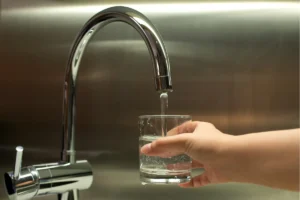
To test this, fill a clean glass with water and walk to a different room. If the water in the glass doesn’t smell, the problem is your drain. If the water still smells like rotten eggs once you are away from the sink, the issue is within your water system. This simple distinction can save you hundreds of dollars in unnecessary plumbing repairs and is a frequent tip shared on our blog.
The Hot Water Heater: The Primary Suspect
If the “rotten egg” smell is only present when you run the hot water, the culprit is almost certainly your water heater. Most traditional tank-style water heaters contain a “sacrificial anode rod.” This rod, usually made of magnesium or aluminum, is designed to corrode so that the steel tank doesn’t have to. It is the unsung hero of your home’s infrastructure.
However, when certain types of sulfate-reducing bacteria enter the tank, they react with the electrons produced by the corroding anode rod. This chemical reaction converts naturally occurring sulfates in the New York City water supply into hydrogen sulfide gas. Because the gas is trapped in the tank, it becomes concentrated. When you turn on the hot tap, that concentrated gas is released into your home. This is why a smell that only appears during a hot shower is a “smoking gun” for an aging or reacting anode rod.
The Chemical Connection: Sulfates and Staten Island Water
While the NYC Department of Environmental Protection (DEP) maintains some of the highest water quality standards in the country, the water is not “sterile.” It contains various minerals and sulfates that are perfectly safe to drink according to current regulations. Under normal circumstances, you would never notice these minerals.
However, in Staten Island’s older residential pockets, the combination of these sulfates and the specific metallic composition of older water heaters creates a perfect storm. If your home still uses a water heater that is more than ten years old, the internal mineral scale and the degrading anode rod are likely interacting in ways that produce that distinct sulfur scent. Replacing a magnesium rod with an aluminum-zinc alloy version often solves the problem immediately without requiring a full tank replacement.
The Biofilm Factor in Household Plumbing
Sometimes, the smell isn’t localized to the water heater or the drain; it appears in every tap in the house. This can indicate a “biofilm” issue within the home’s internal pipes. Biofilms are thin layers of bacteria that can coat the inside of copper or galvanized steel pipes. While New York City water is treated with chlorine to prevent this, the chlorine levels can dissipate if water sits stagnant in your pipes for too long such as during a vacation or in a guest bathroom that is rarely used.
Once the chlorine is gone, bacteria can take hold and begin producing hydrogen sulfide. This is particularly common in homes that still have lead-soldered joints or older galvanized lines, as the rough interior surfaces of these pipes provide the perfect “hooks” for bacteria to attach. If you suspect a biofilm issue, we recommend reviewing the latest testing data for your specific neighborhood to see if other residents are reporting similar issues.
Construction and the “Stirring” Effect
On Staten Island, road work and water main replacements are constant. In neighborhoods like St. George or New Dorp, the vibration from heavy machinery can dislodge sediment within the municipal mains or your home’s own service line. This sediment often contains organic matter and minerals that have been dormant for decades.
When this material is “stirred up,” it can enter your home’s system and reach your water heater or your faucets. This sudden influx of organic material can provide a “food source” for the bacteria in your system, leading to a sudden spike in that rotten egg smell. If you see a “Work Ahead” sign on your street, it is wise to be proactive about flushing your taps to prevent this sediment from settling in your heater.
Is the Smell Dangerous?
In the concentrations usually found in a home, hydrogen sulfide gas is more of a nuisance than a health hazard. However, the presence of the smell indicates that your water system is “chemically active” in a way that it shouldn’t be. If bacteria are thriving enough to produce gas, they may also be affecting the pH of your water, which can accelerate the leaching of lead in water from older pipes.
Furthermore, a sudden change in the odor of your water should always be investigated because it suggests a breach in the integrity of your infrastructure. While the smell itself might just be an annoyance, the underlying cause could be a failing water heater or a corroding pipe that will eventually lead to a costly leak or a health concern.
How to Solve the “Rotten Egg” Problem
If you are dealing with this odor in your Staten Island home, follow these steps for a permanent solution: Clean Your Drains: Pour half a cup of baking soda followed by half a cup of vinegar down the drain. Let it sit for 15 minutes, then flush with boiling water to kill the bacteria in the P-trap. Flush Your Water Heater: Turn off the power/gas to your heater and drain the tank completely to remove the sediment at the bottom. Replace the Anode Rod: If the smell persists in the hot water, have a plumber replace the magnesium anode rod with a zinc-aluminum version. Disinfect the System: In extreme cases, a “chlorine shock” of your home’s plumbing may be necessary to kill the biofilm. This should be done by a professional to ensure it meets all safety regulations.
Conclusion: Trust Your Senses, But Use Science
A rotten egg smell is your home’s way of telling you that something in your water system is out of balance. Whether it is a simple drain cleaning or a water heater upgrade, addressing the odor promptly is essential for maintaining a healthy household. On Staten Island, where our homes are our biggest investments, staying on top of these small issues prevents them from turning into major repairs.
Don’t ignore the warning signs. Your nose is a powerful diagnostic tool, but it should always be backed up by a professional assessment and certified testing data.
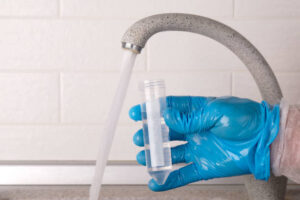
If you have tried flushing your system and the odor remains, or if you are concerned that the smell is a sign of a more serious contaminant like PFAS or lead, our team is here to help. We provide the localized expertise and certified testing needed to clear the air and the water in your home. Please visit our contact page to connect with a water quality specialist today. Let us help you find the source and the solution.