In the competitive and historically rich real estate market of Jersey City, the standard home inspection is undergoing a significant upgrade. From the tree-lined streets of Van Vorst Park to the bustling neighborhood of Hamilton Park, buyers are no longer satisfied with a simple “pass/fail” on their water quality. As we move through 2026, a new trend has emerged at the closing table: the Dual Tap Test. This sophisticated approach to due diligence involves sampling both the first-draw water and the fully flushed stream to get a complete picture of a building’s internal infrastructure. For anyone investing in a century-old brownstone, this data is becoming as essential as a structural survey or a title search.
Jersey City’s brownstones are architectural treasures, but their age presents unique challenges for modern living. While the city’s water mains are managed under strict federal regulations, the “last mile” of delivery the pipes within the home and the service line connecting to the street is a private responsibility that can hide a variety of chemical secrets.
The Mechanics of the Dual Tap Test
The reason buyers are moving toward dual testing is rooted in how contaminants like lead and copper enter our water. A single sample rarely tells the whole story.
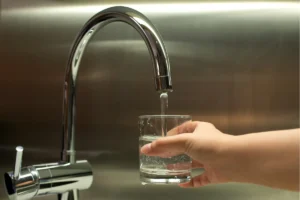
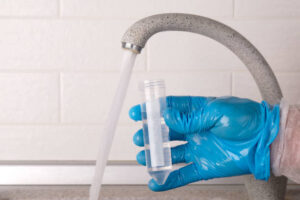
The first sample, known as the “first-draw,” is taken after the water has sat stagnant in the pipes for at least six hours (usually overnight). This sample captures any contaminants that have leached from the home’s interior fixtures, such as older brass faucets or lead-soldered copper joints. The second sample is taken after the water has been allowed to run for several minutes. This “flushed” sample represents the quality of the water coming directly from the municipal main and the service line under the sidewalk. By comparing these two sets of testing data, a buyer can pinpoint exactly where a contamination issue originates.
Brownstones and the Legacy of Lead Solder
Jersey City was largely built out during an era when lead was a primary component in plumbing. While lead pipes themselves were phased out, lead-based solder was used to join copper pipes well into the 1980s. In a sprawling four-story brownstone, there are hundreds of these joints hidden behind the plaster and lath.
When a buyer performs a Dual Tap Test and finds high lead levels in the first-draw but not in the flushed sample, it sends a clear message: the infrastructure of the home is the source. This might mean that the home’s interior plumbing is leaching lead during periods of low use. Conversely, if both samples fail, it suggests the service line connecting the brownstone to the street is likely made of lead. This distinction is vital for negotiations, as the cost of replacing internal plumbing versus a buried service line can vary by thousands of dollars.
The PFAS and Chemical Profile of Urban Living
Beyond heavy metals, Jersey City buyers are increasingly concerned with modern contaminants like pfas-overview. These “forever chemicals” don’t typically leach from the home’s pipes; they are usually present in the broader water supply. A Dual Tap Test helps confirm this. If PFAS are detected at the same concentration in both the first-draw and the flushed samples, the buyer knows they are dealing with a system-wide issue that requires a specific type of whole-house filtration.
Because Jersey City has a long industrial history, the soil surrounding these historic brownstones can sometimes hold legacy chemicals that migrate toward aging service lines. Our blog frequently features updates on how localized soil conditions in Hudson County can impact the “flushed” portion of a water test, highlighting why the dual approach is so necessary for a complete environmental audit.
Negotiation Leverage at the Closing Table
In 2026, data is the most powerful tool a buyer has. In the past, a buyer might have asked for a generic “repair credit” for old plumbing. Today, they are arriving with lab-certified reports that show exactly which fixtures or lines are failing.
For a seller, this transparency can be a double-edged sword. While it may lead to a request for a closing credit, it also protects the seller from post-sale litigation. By providing clear, dual-source testing data, both parties can agree on a fair price that reflects the home’s actual condition. We often see that a $5,000 credit for a service line replacement is a small price to pay to ensure a $1.5 million brownstone sale stays on track.
The Stagnation Factor in Multi-Unit Brownstones
Many Jersey City brownstones have been converted into multi-unit rentals or condos. This creates a unique “stagnation” profile. If one unit is vacant or if the garden-level apartment is only used occasionally, the water in those specific lines can sit for days, allowing lead levels to spike.
A Dual Tap Test is particularly important in these multi-unit buildings. A test in the top-floor unit might pass, while the garden unit fails due to its proximity to the service line or its lower usage rate. Buyers are now requesting tests from multiple points in the building to ensure the entire structure meets current health regulations. This comprehensive “vertical” testing is the only way to ensure every resident in the building is safe.
How to Execute a Dual Tap Test Correctly
If you are a buyer looking at a property in the Heights, Downtown, or Bergen-Lafayette, the process for a Dual Tap Test is straightforward but requires precision: The Stagnation Period: Ensure the water has not been used for at least 6 to 8 hours before the first sample is taken. No flushing toilets, no running the dishwasher. The First Sample: Fill the first liter bottle immediately upon turning on the tap. This captures the “fixture and internal pipe” water. The Flush: Let the water run for 3 to 5 minutes. You want to clear all the water that was sitting in the home’s pipes. The Second Sample: Fill the second bottle. This represents the water as it enters from the city’s infrastructure. Lab Analysis: Ensure the lab is NJDEP-certified and can provide a side-by-side comparison report.
Conclusion: Investing in Information
Buying a brownstone in Jersey City is an investment in history, community, and future equity. But it shouldn’t be an investment in uncertainty. The rise of the Dual Tap Test represents a move toward a more transparent, data-driven real estate market where “safe water” is a verified fact, not an assumption.
By understanding the difference between what’s happening in your faucet and what’s happening in the street, you can make a smarter purchase and create a safer home. Whether you are a first-time buyer or a seasoned investor, the dual test is the new gold standard for Jersey City living.
If you are in the middle of a brownstone purchase and need a certified laboratory that understands the specific plumbing profiles of Hudson County, or if you need help interpreting a set of Dual Tap Test results, our team is ready to help. We provide the localized expertise and certified testing data you need to close with confidence. Please visit our contact page to connect with a water quality specialist today. Let us help you ensure your historic home has a healthy future.