In the world of home maintenance and residential infrastructure, 2026 has become the year of the “verified upgrade.” For decades, homeowners assumed that replacing an old water heater or swapping out galvanized pipes for modern PEX or copper was the final step in securing their home’s water quality. However, a new trend is emerging among proactive families: the post-project retest. Specifically, residents are focusing their attention on the hot water line a part of the plumbing system that has historically been overlooked in standard water safety checks.
The logic behind this shift is simple but scientifically sound. Plumbing upgrades, while necessary, involve physical disturbances to the pipes and the introduction of new materials into the home’s water loop. By comparing fresh testing data to their pre-construction baselines, families are ensuring that their investment in new plumbing actually resulted in the pure, contaminant-free water they were promised.
The Disturbance Factor: Why New Pipes Need a Second Look
When a plumber cuts into an existing water line to install a new fixture or replace a segment of pipe, the physical vibration can dislodge decades of accumulated mineral scale and sediment. In older homes, this scale often acts as a “scab,” covering up trace amounts of lead solder or internal corrosion. When that scale is disturbed, it can travel through the system and settle in the aerators of your faucets or, more significantly, in the bottom of your new water heater.
Retesting the hot tap after an upgrade is the only way to confirm that this “construction debris” has been fully flushed from the system. We often see in our blog reports that lead levels can temporarily spike immediately after a plumbing intervention. Without a follow-up test, a family might unknowingly consume these dislodged particulates for months before the system naturally clears itself.
The Water Heater as a Chemical Reactor
The hot water heater is more than just a storage tank; it is a thermal environment where chemical reactions are accelerated. When a family upgrades to a modern high-efficiency tank or a tankless system, the internal chemistry changes. New heating elements and sacrificial anode rods designed to protect the tank from corrosion can sometimes interact with the local water chemistry in unexpected ways.
In some cases, the new anode rod can react with naturally occurring sulfates in the water to produce hydrogen sulfide gas, leading to a “rotten egg” smell that wasn’t there before the upgrade. By opting for a professional screen after the installation, homeowners can determine if their new equipment is functioning within safe regulations or if the internal chemical balance needs adjustment.
Lead, Copper, and the “First-Draw” Hot Tap
Many people are taught from a young age never to cook with or drink from the hot water tap because “hot water leaches more lead.” While modern infrastructure is much safer than it was thirty years ago, the principle remains true: heat is a catalyst. If a plumbing upgrade involved any soldering or the installation of “lead-free” brass fixtures (which can still contain trace amounts of lead under current law), the hot water line is where those metals are most likely to appear.
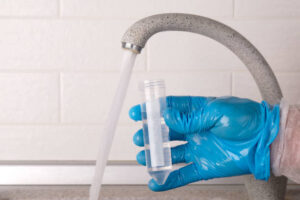
Families who have recently upgraded their kitchens or bathrooms are now requesting specific “hot-start” tests. This involves taking a sample of the first water that comes out of the hot tap after it has sat overnight. If the testing data shows elevated copper or lead, it indicates that the new fixtures or the “transition joints” between old and new plumbing are leaching metals into the stream. This information allows the homeowner to either flush the system more aggressively or install a point-of-use filter to bridge the gap.
PFAS and the Modern Material Challenge
In 2026, the conversation about water safety is dominated by pfas-overview the “forever chemicals” found in many industrial and consumer products. While most plumbing materials are highly regulated, the gaskets, seals, and specialized lubricants used in modern high-tech plumbing systems are under new scrutiny.
Proactive families are adding a PFAS screen to their post-upgrade checklist to ensure that none of the new components in their home’s infrastructure are contributing to a chemical load. While the risk from plumbing components is small compared to source water contamination, the goal for many is “zero-detect” safety. Having a post-upgrade PFAS test provides a final layer of insurance that the home’s water is truly as clean as it looks.
The Real Estate and Value Incentive
Beyond health, there is a financial reason for retesting after an upgrade. In a transparent real estate market, having a “before and after” water report is a powerful selling point. It proves to a potential buyer that the plumbing upgrades were not just cosmetic, but functionally sound.
If a seller can show a lab report from 2026 that proves the hot water tap is as clean as the cold water tap, it eliminates one of the biggest “red flags” in a home inspection. It demonstrates a level of stewardship that goes beyond the bare minimum required by regulations. This data-driven approach to homeownership is quickly becoming the standard for high-value properties in Hudson County and beyond.
How to Properly Retest Your Hot Tap
If you have recently completed a plumbing project, follow these steps to ensure your retest is accurate: Wait for the Flush: Don’t test the very first hour after the plumber leaves. Run your water for at least 20 to 30 minutes to clear out the initial construction air and debris. The Overnight Stagnation: The most accurate test for leaching is a “stagnant” sample. Let the water sit in the pipes for at least 6 to 8 hours before taking your sample. Direct From the Tap: Take the sample directly from the faucet you use most for cooking or drinking, without removing the aerator first. Compare to Baseline: Always look at your new testing data alongside your old reports. You are looking for changes, not just “passing” grades.
Conclusion: Closing the Loop on Home Safety
A plumbing upgrade is a major milestone in the life of a home. It is an investment in comfort, efficiency, and safety. But the project isn’t truly finished until the science confirms the result. By retesting the hot water tap, families are closing the loop on their home’s health. They are moving away from the “hope it’s better” mindset and toward the “know it’s safe” reality.
In 2026, we have the tools to be precise. Don’t leave your water quality to chance after a major renovation. Verify the fix, protect your family, and enjoy the peace of mind that only data can provide.
If you have recently completed a plumbing upgrade and want to verify your water quality, or if you need to schedule a specific heavy metal or PFAS screen for your hot water line, our team is ready to assist. We provide the certified analysis and expert interpretation needed to ensure your new infrastructure is performing perfectly. Please visit our contact page to connect with a water quality specialist today. Let us help you confirm the safety of your home.