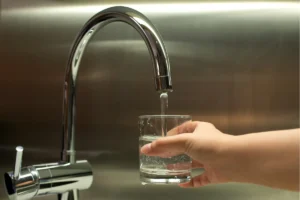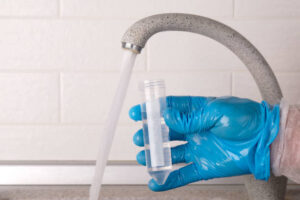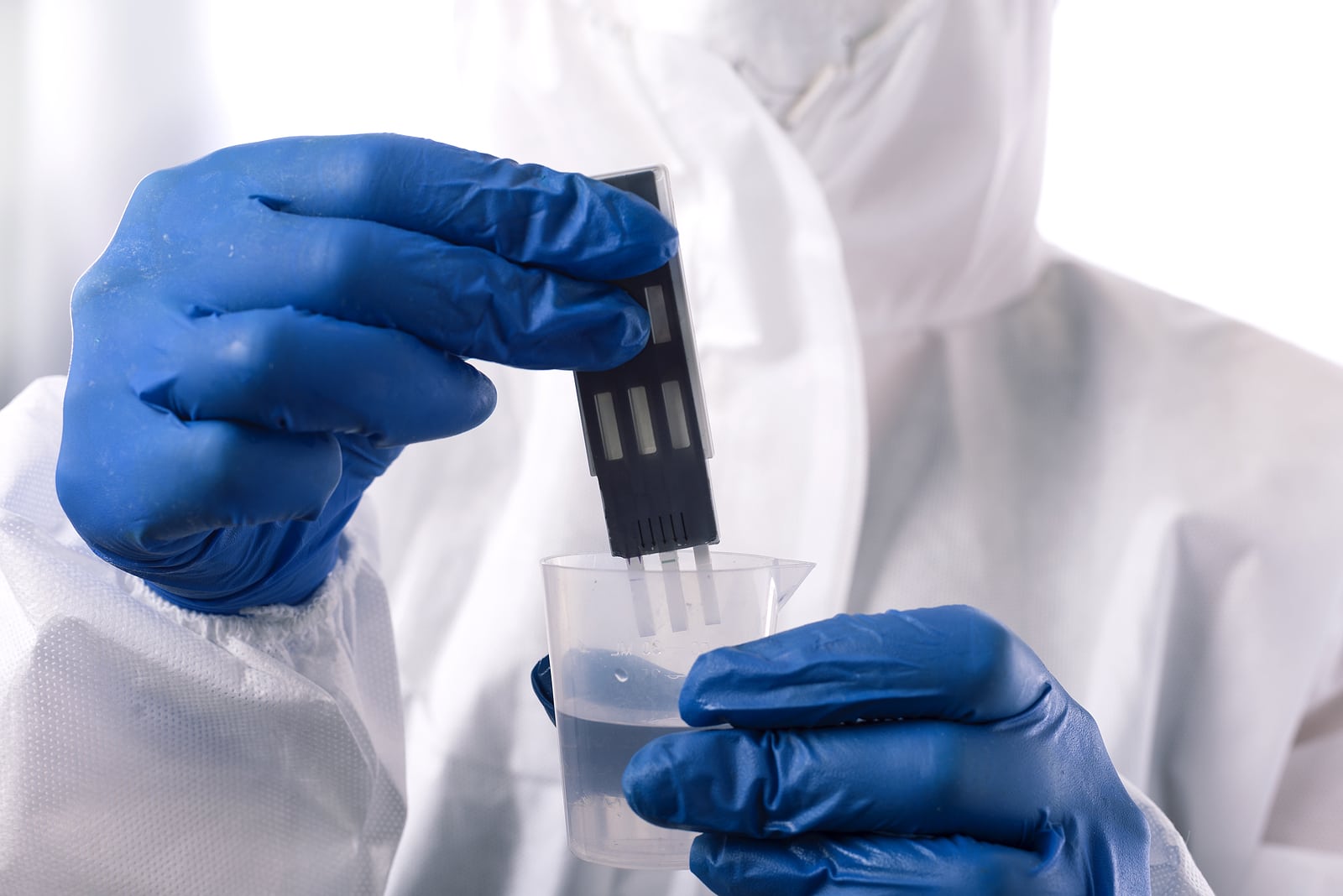
In the modern household of 2026, we have been conditioned to trust our senses. We look for the crystalline shimmer of water in a glass, sniff for the absence of chlorine or sulfur, and taste for that neutral, refreshing quality that defines “good” water. For one family in a quiet suburban neighborhood, their tap water checked every box. It was visually perfect, odorless, and tasted as pure as any bottled brand. However, when they opted for a comprehensive baseline screen during a routine home evaluation, the results were a wake-up call. Despite its outward appearance, the water failed significantly for several odorless, tasteless contaminants. Their experience serves as a critical reminder: visual clarity is not a certificate of safety.
The disconnect between how water looks and what it contains is a growing challenge for residential infrastructure. As our environmental landscape changes, the most significant risks to our health are no longer the “dirty” contaminants we can see, but the microscopic, molecular-level threats that only a laboratory can detect.
The Molecular Ghost: Why Clear Water Can Be Toxic
The fundamental reason clear water can fail a lab test is rooted in chemistry. Many of the most concerning substances found in drinking water today are highly soluble. This means they dissolve completely into the water, much like sugar in a hot cup of tea, leaving no physical trace, color, or turbidity.
Lead, for example, is a primary culprit in “clear water failures.” While high concentrations of lead can sometimes be accompanied by the reddish-brown tint of iron from corroding pipes, lead itself is invisible. If a home has lead-soldered joints or a lead service line, the metal leaches into the water at a microscopic level. The family in this case study found lead levels nearly triple the EPA’s action level, yet their water remained perfectly transparent. This is a common theme in the testing data we analyze; the most dangerous taps are often the ones that look the cleanest.
The PFAS Factor: The “Forever Chemical” Problem
Another reason for the “purity illusion” involves the rise of synthetic chemicals like per- and polyfluoroalkyl substances (PFAS). These man-made compounds are used in everything from non-stick coatings to firefighting foams. Because of their strong carbon-fluorine bonds, they do not break down and are exceptionally mobile in water systems.
PFAS are notorious for being “sensory-neutral.” They have no taste, no smell, and do not change the opacity of the water. For the family in question, their extra-testing add-on revealed PFOA levels that exceeded modern health advisories. Without the lab report, they would have continued to use this water for cooking and drinking, unaware of the chemical load they were ingesting daily. Our pfas-overview provides a deeper look at why these “forever chemicals” have become a standard part of the modern testing conversation even when the water looks pristine.
Nitrates and the Silent Soil Breach
Nitrates are another invisible threat that often catches homeowners off guard. Commonly associated with agricultural runoff or leaking septic systems, nitrates can migrate through the soil and enter a home’s infrastructure through microscopic breaches in the service line.
Nitrates are particularly dangerous for infants, as they interfere with the blood’s ability to carry oxygen. Because they are completely tasteless and odorless, there is no way for a parent to know they are present without a chemical analysis. The family’s clear water failed for nitrates at a level that, while safe for adults, was concerning for the young children in the home. This highlights why “clear” is a subjective term that doesn’t account for the specific biological needs of different family members.
The Role of Secondary Contaminants and pH
Sometimes, water fails a lab test not because of a toxin, but because of a chemical imbalance that leads to future problems. The family’s water had a low pH, meaning it was slightly acidic. Acidic water is often clear and refreshing, but it is highly “aggressive.” Over time, it eats away at the copper and lead in the home’s plumbing.
By catching the low pH through testing data, the family was able to identify a “pre-failure” condition. Their water was clear now, but the chemistry of that water was actively working to dissolve their pipes, which would eventually lead to both contamination and costly plumbing leaks. Understanding the regulations regarding pH and corrosivity allowed them to install a neutralizing system before the invisible damage became a visible disaster.
Why Municipal Reports Don’t Always Protect You
A common defense for not testing is the annual municipal water quality report. While these reports are essential for tracking the health of the city’s main lines, they do not reflect what is happening at your specific kitchen tap. The city tests the water as it leaves the plant; they do not test it after it has traveled through three miles of century-old mains and sat in your home’s private service line for eight hours.
Every home has a unique chemical profile. Factors like the age of your street’s pipes, the material of your service line, and even the “stagnation time” (how long water sits in your pipes while you sleep) can turn “safe” city water into “failed” tap water. The family in this case discovered that while the city main was within regulations, the interaction between that water and their home’s internal components created a failure.
The “Peace of Mind” Trap
Many homeowners fall into the trap of thinking that because they haven’t “gotten sick,” the water must be fine. The issue with modern water contaminants is that they are often chronic, not acute. You won’t get a stomach ache from drinking leaded water today, but the cumulative exposure over five years can lead to significant health impacts.
This family’s decision to test was prompted by a desire for a baseline, not a specific symptom. This proactive approach is a frequent topic on our blog, where we emphasize that the best time to test your water is when you think everything is fine. Moving from “assumption” to “evidence” is the only way to truly secure your home’s environmental health.
How to Move Beyond the Visual Check
If you want to ensure your family isn’t living in the “purity illusion,” consider these steps: Perform a Baseline Screen: At least once every two years, or when moving into a new home, order a lab test that covers lead, copper, nitrates, and PFAS. Request a “First-Draw” Sample: To catch invisible plumbing leaches, ensure your test includes the first liter of water that comes out of the tap after it has sat overnight. Don’t Rely on DIY Strips: While home kits are cheap, they often have high “limits of detection” and can miss low-level lead or PFAS entirely. Only a certified lab provides the precision needed for health-based decisions. Maintain Your Infrastructure: Regularly flush your hot water heater and clean your faucet aerators to remove the sediment where invisible contaminants can accumulate.
Conclusion: Trust the Science, Not Just Your Eyes
The case of the family with clear but contaminated water is not an isolated incident; it is a reflection of the hidden complexities of modern water safety. In 2026, we have the privilege of advanced filtration and treatment, but we also face a new generation of invisible threats.
Clarity is a wonderful aesthetic quality in a glass of water, but it is not a substitute for safety. By embracing professional lab testing, you are taking the guesswork out of your home’s health. You are ensuring that the water your family drinks, cooks with, and bathes in is as pure on a molecular level as it looks in the light.
If you are concerned that your clear tap water might be hiding invisible risks, or if you need to establish a baseline for a new property, our team is here to help. We provide the certified analysis and expert interpretation needed to see what the naked eye cannot. Please visit our contact page to connect with a water quality specialist today. Let us help you turn your “clear” water into “verified safe” water.