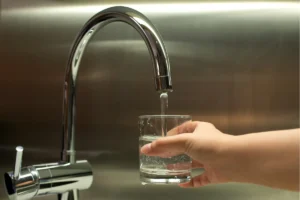
In the modern landscape of high-rise living and multi-unit residential complexes, the promise of “managed water” is a major selling point. In 2026, many building managers and homeowner associations point to their sophisticated, centralized filtration systems as a guarantee of safety. These building-wide setups are often impressive, featuring industrial-grade charcoal blocks and UV sterilization designed to treat water the moment it enters the primary infrastructure. However, a growing body of resident-level testing data is revealing a startling gap: water that is “pure” at the basement intake is frequently contaminated by the time it reaches the kitchen faucet.
This discrepancy highlights the “last mile” problem in water distribution. While the building-wide system may be functioning perfectly, it cannot account for the chemical and physical changes that occur as water travels through hundreds of feet of internal risers, branch lines, and individual fixtures. Understanding why centralized systems fail at the “point of use” is essential for any resident who wants to ensure their home’s safety meets modern regulations.
The Interior Leaching Phenomenon
The primary reason centralized systems fail to protect the end-user is that they are positioned before the potential source of contamination. In many older buildings, and even some newer luxury developments, the internal plumbing consists of copper pipes joined with solder or brass fixtures that contain trace amounts of lead.
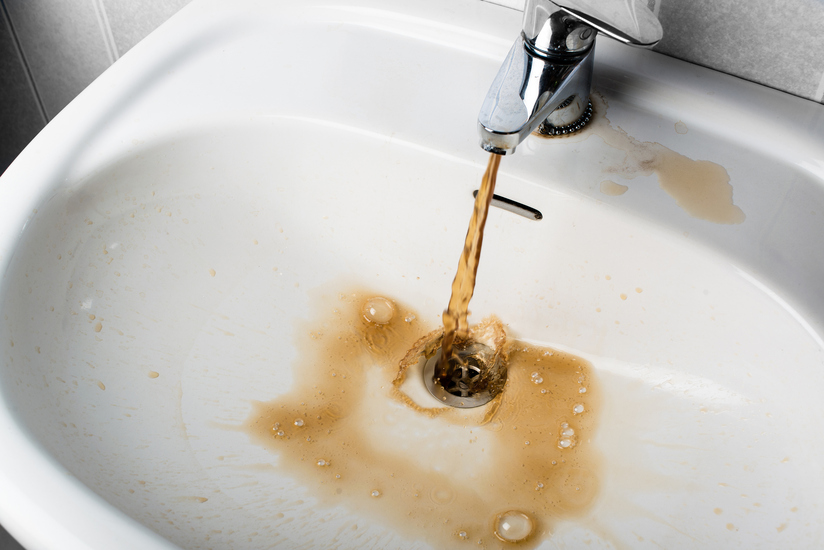
Even if the building-wide system removes every trace of heavy metals at the entry point, the water is “hungry” once it is filtered. Pure water is a natural solvent. As it sits stagnant in the pipes of a specific unit overnight, it can aggressively leach lead or copper from the very pipes meant to deliver it. By the time a resident turns on their tap in the morning, the “first-draw” water may contain concentrations of metals that far exceed safe levels, despite the multi-million dollar system in the basement. Our blog frequently highlights these cases, where “clean” building water is compromised by “dirty” internal lines.
Stagnation and the Vertical Rise
In a large residential tower, water doesn’t always flow constantly. In units that are unoccupied during the day or in guest bathrooms that see little use, water can sit for hours or even days. This stagnation creates a “micro-environment” where chemical reactions are accelerated.
Building-wide systems are designed for high-flow scenarios. They are effective when the water is moving rapidly from the street to the units. However, they have no control over the “stagnation time” within a resident’s private walls. During these periods of low flow, the protective coatings inside the pipes (known as the passivation layer) can break down. This is particularly common in local areas where the water chemistry may fluctuate seasonally. Without a fixture-level test, a resident has no way of knowing if the water sitting in their pipes has become a chemical cocktail while they slept.
The Biofilm and Aerator Trap
Another common failure point is the fixture itself. Every faucet has an aerator a small mesh screen designed to conserve water and prevent splashing. Over time, these screens become “collection zones” for microscopic debris, pipe scale, and biofilm.
Biofilm is a thin, slimy layer of bacteria that can anchor itself to the mesh of an aerator or the interior of a showerhead. Because centralized UV systems only kill bacteria at the entry point, they do nothing to stop the regrowth of bacteria within the unit’s own fixtures. In fact, by removing the chlorine that municipalities use to keep water sterile, building-wide carbon filters can actually make it easier for bacteria to flourish in the unit’s “dead ends.” This is a recurring theme in the testing data we review: residents find coliform or heterotrophic bacteria at their tap that simply wasn’t present at the building’s main intake.
PFAS and the Molecular Bypass
In 2026, the primary concern for many families is the presence of pfas-overview. While many building-wide systems claim to remove these “forever chemicals,” the reality is often more complex. PFAS removal requires high-contact time with specialized resin or carbon media. In a high-volume building system, the water may move too quickly through the filters to achieve total removal.
Furthermore, PFAS can sometimes be introduced within the building. Some specialized coatings used in industrial-grade pumps, gaskets, and seals within the building’s own pumping infrastructure can theoretically contribute trace amounts of these chemicals to the water after it has passed the primary filters. Relying on a building-wide certificate of “PFAS-free” water is often a gamble. The only way to verify that your specific kitchen tap is safe is through unit-specific testing data.
The Pressure and Temperature Variable
High-rise buildings utilize booster pumps and pressure-reducing valves to move water vertically. These mechanical stresses can physically strip the interior lining of aging pipes, sending “slugs” of particulate matter into individual units.
Similarly, the hot water loop in a large building is a massive, recirculating system. The constant heat increases the rate at which metals leach into the water. If a building-wide filter is only located on the cold-water intake, it provides no protection for the hot water that residents use for cooking, coffee, or bathing. This is why we see so many “failed” reports for hot water samples in buildings that otherwise have “passing” cold water grades.
How to Protect Your Unit
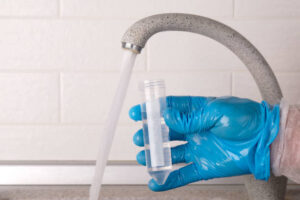
If you live in a multi-unit building, you should not assume that the management’s water report applies to your specific tap. To ensure your safety, consider the following: Request a Unit-Specific Test: Order a lab kit that focuses on “point-of-use” contaminants like lead, copper, and bacteria. Clean Your Aerators: Every three months, unscrew your faucet aerators and soak them in vinegar to remove scale and biofilm. The Two-Minute Flush: If you haven’t used a tap in several hours, run the water for two minutes before using it for drinking or cooking. This clears the “stagnant” water from your unit’s internal lines. Install Fixture-Level Filtration: For absolute peace of mind, an under-sink Reverse Osmosis or high-grade carbon block provides a final “polish” that catches anything the building-wide system missed.
Conclusion: Closing the Gap
Building-wide water systems are an important part of urban infrastructure, but they are not a “set-and-forget” solution for the individual resident. The journey from the basement to the 20th floor is a long one, filled with chemical and biological variables that a centralized filter simply cannot reach.
In 2026, the most informed residents are those who take ownership of their “last mile.” By relying on fixture-specific testing data, you can move beyond the marketing of your building’s amenities and into the reality of your home’s safety.
If you are concerned that your building’s filtration system isn’t reaching your kitchen tap, or if you want to verify your unit’s specific water profile, our team is ready to help. We provide the certified analysis and expert interpretation needed to identify contaminants at the fixture level. Please visit our contact page to connect with a water quality specialist today. Let us help you ensure that “clean building water” actually means clean water in your glass.