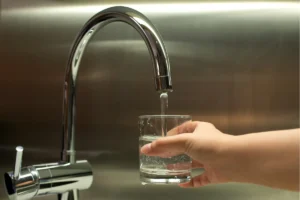
In the quiet hours of a Tuesday morning in a historic Morrisania apartment, a young mother reached for the tap in the newly finished nursery. She was filling a humidifier, a simple task meant to prepare the room for her newborn’s nap. However, as the water hit the basin, a faint, sharp scent—reminiscent of a handful of old pennies—filled the air. Intrigued, she took a small sip and was greeted by a jarring, bitter metallic tang. While New York City is often lauded for its high-quality municipal supply, for this Bronx family, the nursery sink had become a source of immediate concern.
This discovery is a familiar story across the borough, where the charm of pre-war architecture often conceals a network of aging infrastructure. A metallic taste in tap water is rarely just a matter of flavor; it is a sensory red flag. In a nursery, where water is used for everything from mixing formula to cleaning pacifiers, that metallic note can signal the presence of leached metals like copper, iron, or zinc. By moving quickly to secure an independent laboratory audit, this family moved from suspicion to the testing data required to protect their child’s developing health.
The Source of the Tang: Why Nursery Sinks Are High-Risk
In many Bronx homes, the plumbing in secondary rooms like nurseries or guest bathrooms is used far less frequently than the primary kitchen tap. This leads to a phenomenon known as stagnation. When water sits motionless in pipes for hours or days, it has an extended “contact time” with the metal pipe walls. If those pipes are made of copper or are joined with lead-based solder, the water begins to pull ions from the metal, resulting in that distinct metallic flavor.
Nursery sinks often represent the “dead ends” of a home’s plumbing system. Because they are frequently located further from the main riser, the water travels a longer path through smaller-diameter pipes. These smaller pipes have a higher surface-area-to-volume ratio, meaning more metal is in contact with less water. For a Bronx family, this means the very room dedicated to a child’s safety might actually be the place where regulations regarding metal concentrations are most easily exceeded.
Copper and Iron: The Usual Culprits in the Bronx
When a metallic taste appears, the most common culprit is copper leaching. Copper is the standard for modern plumbing, but it is not impervious to corrosion. If the water in the Bronx—which can be slightly acidic depending on localized treatment or seasonal shifts—flows through aging copper pipes, it can dissolve the metal.
- Copper Exceedance: High levels of copper can cause a bitter, astringent taste and may leave blue-green stains around the nursery drain. While copper is an essential nutrient, ingestion at high levels can cause gastrointestinal distress, including nausea and stomach cramps—symptoms that are particularly distressing in an infant.
- Iron and Manganese: These minerals are often naturally occurring or can result from the corrosion of old iron water mains under the streets of the Bronx. While iron generally presents more of an aesthetic issue (orange staining and a “rusty” taste), high concentrations can indicate that the building’s plumbing is physically degrading.
On our blog, we track how these localized plumbing issues often hide behind the “satisfactory” reports issued at the city level. A city report confirms the water is safe when it leaves the reservoir, but it cannot account for the copper pipe in your nursery wall.
The Invisible Threat: Why Taste Isn’t Everything
The most unsettling aspect of the Bronx family’s discovery was what they couldn’t taste. While copper and iron give a strong sensory warning, lead—perhaps the most dangerous contaminant in older Manhattan and Bronx buildings—is completely tasteless, odorless, and colorless.
If a plumbing system is old enough to leach copper to the point of a metallic taste, it is often old enough to contain lead-based solder or lead service lines. For a family in a pre-war Bronx brownstone or apartment, the metallic taste acts as a “proxy” warning. It tells you that the water chemistry in your pipes is aggressive enough to dissolve metal. If it is dissolving copper, it may also be dissolving lead. This is why the regulations regarding lead are so strict: even trace amounts can impair a child’s cognitive development and nervous system.
PFAS and Modern Chemical Risks
Beyond the physical pipes, modern residents are increasingly aware of “forever chemicals.” While a metallic taste is usually tied to the plumbing itself, families are now looking for a comprehensive pfas-overview to understand how these synthetic compounds might be present in the broader water supply. PFAS do not typically have a taste, but their presence in urban water systems has led many parents to opt for advanced filtration that handles both the “old” risks of lead and copper and the “new” risks of chemical runoff.
Moving from Sensory Clues to Testing Data
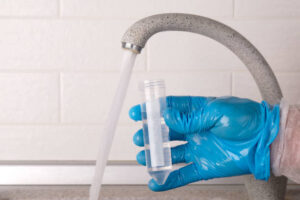
Once the Bronx family noticed the taste, they resisted the urge to simply buy a generic pitcher filter. Instead, they opted for a professional audit. An independent lab test is the only way to move from a “guess” to actionable testing data.
A professional audit for a nursery sink should include:
- A First-Draw Sample: Capturing the water that has sat in the nursery pipes overnight. This represents the “worst-case scenario” for metal leaching.
- A Flushed Sample: Capturing water after the tap has run for several minutes. This helps determine if the contamination is coming from the unit’s pipes or the city’s main.
- Comprehensive Metal Panel: Testing for lead, copper, iron, zinc, and manganese to pinpoint the source of the metallic flavor.
By having this data, the family was able to show their landlord that the nursery sink required a specific point-of-use filter and that the building’s water heater needed a sediment flush.
Practical Steps for Concerned Parents
If you discover a metallic taste in any sink in your home, especially one used for a child, follow these immediate steps:
- Flush the Taps: Always run the water for at least two minutes before using it for drinking or cooking. You will often notice a drop in water temperature when the “fresh” water from the street main arrives.
- Use Cold Water Only: Hot water dissolves metals much faster than cold water. Never use hot tap water for mixing formula or cooking.
- Clean Your Aerators: Unscrew the small screen at the end of the faucet. In older Bronx buildings, this screen often traps “slugs” of metal sediment that continue to leach contaminants into every glass of water.
- Check the Drain: Look for blue, green, or orange staining. These are the visual “fingerprints” of copper and iron.
As noted in the current regulations, these behavioral shifts are excellent stop-gaps, but they do not replace the need for verified safety.
Conclusion: Protecting the Next Generation
The metallic taste in the Bronx nursery was a blessing in disguise—it was a loud enough warning to spark action. In a city where we often ignore the “background noise” of aging infrastructure, that bitter note in the water was the catalyst for a safer home. By securing an independent audit and understanding the pfas-overview of their area, this family ensured that their child’s nursery was truly a sanctuary.
If you have noticed an unusual flavor in your water or have questions about the testing data for your specific Bronx neighborhood, don’t wait for the taste to get worse. The most responsible next step is to get the facts. You can contact an environmental professional today to schedule a professional audit and ensure that every tap in your home—especially the ones that matter most—is delivering the quality your family deserves.