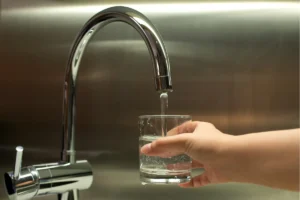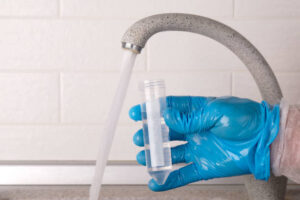
Drinking water safety is a pressing concern across the United States. A single contaminant can infiltrate pipes, compromising water purity and posing serious health risks. This issue affects communities nationwide.
Some contaminants, such as heavy metals or bacteria, may go unnoticed without regular testing. Homeowners and public officials are vigilant for changes in taste, odor, or color. This vigilance is critical. It drives the need for better filtration and increased awareness, ensuring cleaner water for all.
Key Takeaways
- Contaminants can come from natural sources and human activities.
- Testing reveals hidden risks that threaten drinking water safety.
- Heavy metals and bacteria often top the list of dangerous intruders.
- Regulations set important standards for water purity.
- Community awareness shapes better decisions about home filtration.
Addressing Water Purity Concerns in the United States
In many areas, public drinking water meets basic standards. Yet, concerns persist. The presence of microplastics and chemical residues in tap water has sparked widespread interest. The condition of distribution networks plays a significant role in public confidence.
Federal agencies strive to maintain water quality. Despite their efforts, old pipes, industrial waste, and geological factors can compromise these efforts. These challenges often test the limits of advanced filtration systems, fueling community anxieties.
Where resources are limited, adherence to EPA regulations can falter. Strict adherence to water quality standards is essential. It helps mitigate risks and ensures regular testing at treatment plants. Officials are vigilant about emerging threats like PFAS and microplastics, aiming to maintain public trust.
- Microplastics: Synthetic particles detected in water sources.
- PFAS: Stubborn compounds posing health risks.
- Aging infrastructure: Older plumbing can leach harmful metals.
Local treatment facilities continually adapt to address these issues. They work to reassure the public about the safety of their drinking water.
Bacteria and Viruses: The Microbial Threat
Bacteria and viruses in water systems are a major threat, often hidden in plumbing or storage. A peer-reviewed study shows they can enter homes through small pipe cracks and damaged wells.
“Untreated sources may harbor pathogens that trigger severe gastrointestinal issues,” noted the Centers for Disease Control and Prevention (CDC).
Common Illnesses from Microbes
Waterborne illnesses occur when harmful microorganisms contaminate drinking water. Symptoms include short-term diarrhea, cramps, or dehydration. For those with weakened immune systems, it can also cause respiratory issues. Regular testing and quick action can help manage symptoms and prevent further complications.
Preventing and Treating Microbial Contamination
Maintaining safe water systems is key to preventing pathogen spread. Regular checks on hot water systems, flushing faucets, and targeted treatments can reduce infection rates. Using chemical disinfectants and advanced filtration systems helps combat these microscopic threats.
| Pathogen | Symptoms | Primary Treatment |
| E. coli | Abdominal pain, diarrhea | Fluids, rest, antibiotics in severe cases |
| Norovirus | Vomiting, nausea | Rehydration, supportive care |
Lead: An Ongoing Concern in Older Pipe Systems
Lead has long been a threat when older household pipes and solder corrode. Tiny flakes break off, compromising water quality for families. Children and pregnant women face serious health risks from lead in drinking water, making awareness vital.
Aging infrastructure in cities with older distribution lines often struggles with high levels of lead. Pipe replacement and ongoing testing can lessen exposure. Some homeowners choose lead-specific filtration devices for added security. Experts often recommend corrosion control steps that limit metal leaching into the supply.
Residents who suspect a problem or want more details on lead reduction can explore ways to minimize exposure. Regular inspections help communities pinpoint trouble spots and plan effective solutions. Focusing on old lines is key to eliminating unnecessary hazards and ensuring a healthier future.
- Schedule water testing to confirm lead levels
- Upgrade plumbing in places with high contamination
- Consider filters designed for heavy metals
Pesticides: Agricultural Runoff and Its Impact
Pesticides can contaminate drinking water when they leak into rivers or seep into wells. This usually starts with agricultural runoff, which carries synthetic substances into reservoirs. In areas with high crop production, groundwater pollution can worsen, affecting communities nationwide. Treatment facilities work hard to remove these contaminants, but some may remain.
The Environmental Protection Agency has investigated pesticide contamination in municipal water systems. They recommend continuous monitoring and advocate for practices that reduce chemical drift near waterways. Public education can lead to better farming methods, alleviating the strain on local water utilities.
How Runoff Enters Municipal Water
Chemicals sprayed on fields can wash into streams during heavy rains. Some toxins penetrate the soil and move into underground aquifers. This poses a threat to local water treatment plants when concentrations exceed safe levels.
Possible Health Effects
Exposure to pesticide residues has been associated with endocrine disruption. People with high levels in their tap water may face chronic health issues or developmental problems.
Filtration Methods to Reduce Pesticides
Many households use targeted solutions to minimize pesticide residues:
- Activated carbon systems trap organic compounds before they exit the faucet.
- Reverse osmosis units capture microscopic particles and limit chemical presence.
Industrial Chemical Intrusions into Drinking Water
Factories producing industrial chemicals can significantly impact local water sources. Spills and leaky storage tanks allow toxic compounds to seep into the ground. Aging infrastructure in certain facilities may also spread hidden dangers. This leads many communities to question what lurks in their taps. Substances categorized as VOCs arise in manufacturing plants and often persist in groundwater.
Studies by the U.S. Environmental Protection Agency reveal the long-term health challenges posed by waterborne pollutants. Exposure over many years can increase the risk of certain disorders. It also places a heavy burden on healthcare systems. Manufacturers and public health officials aim to track these threats through regular inspections. Yet, consistent oversight remains critical to addressing hot spots where unsafe levels may build up.
Public health agencies encourage testing whenever unknown odors or oily sheens appear. The Safe Drinking Water Act, administered by the EPA, sets limits and guidelines for industrial chemicals in municipal systems. Periodic reviews of factory waste disposal seek to prevent more VOCs from contaminating drinking water. Research continues so that these and other waterborne pollutants no longer slip by unnoticed.
Why Identifying Each Water Contaminant Matters
Identifying specific threats in drinking water empowers residents to make informed decisions, protecting their health. Each contaminant has its own behavior, making contaminant detection essential for choosing the right treatment. This approach not only preserves the taste and odor but also boosts water safety awareness in communities.
Being well-informed enables families and public facilities to pick the most effective water testing methods for their unique challenges. Understanding the risks helps in taking proactive steps to mitigate them. Seeking professional advice ensures access to cleaner, more reliable drinking water all year round.
Spotting Early Warning Signs
Unpleasant smells, metallic tastes, or hazy fluids are clear signs that require further investigation. These indicators often suggest the presence of corroded pipes or trapped bacteria. Changes in color or clarity may indicate sediment intrusion, necessitating thorough tests and immediate action. Continuous vigilance is key to protecting individuals and ensuring communities have access to high-quality water.
Disinfectants and Byproducts: Balancing Pros and Cons
Chlorine-based treatments act as a protective barrier against harmful bacteria. Water utilities face a delicate choice when selecting methods to combat diverse microorganisms. Strategies vary, leading to both advantages and possible side effects.
According to the Environmental Protection Agency, “Safe disinfection plays a vital role in public health, but requires ongoing research to limit negative outcomes.”
Disinfection boosts confidence in tap water supplies. Yet, certain chemicals might produce substances that warrant closer attention.
Common Disinfection Methods
Some utilities rely on chlorine disinfection to kill pathogens. Others use chloramines or advanced systems like ultraviolet treatment. Each approach aims to neutralize contaminants.
- Chlorine disinfection for broad coverage
- Chloramines for a stable residual effect
- UV technology to avoid chemical additives
Potential Health Risks of Byproducts
Disinfection byproducts can emerge when disinfectants mix with organic matter. Researchers link certain compounds to respiratory or long-term health concerns. Many facilities use carbon filtration or revised protocols to minimize these byproducts while preserving water safety.
Arsenic: Monitoring a Silent Hazard
Many water sources face hidden risks linked to arsenic contamination. This threat can emerge from natural rock deposits or industrial residues, affecting taste and clarity in subtle ways. Private wells often carry a greater danger when regular checks are not in place. Consistent awareness and straightforward steps can help reduce health risks tied to this element.
High-Risk Regions in the U.S. often include areas with volcanic bedrock or mining history. States such as Maine and parts of the Southwest have reported higher levels in groundwater. Some national agencies, including the Environmental Protection Agency, provide maps that highlight these vulnerable spots. Testing schedules vary by region, so local guidelines can determine when to act.
How to Test for Arsenic depends on individual needs and resources. Arsenic testing is offered through certified labs or home kits designed for private wells. Routine sampling tracks any rise in contamination. Many homeowners choose point-of-use filters or media such as iron oxide to tackle this hazard. Thorough assessments help reinforce confidence in daily hydration and cooking.
Fluoride Debate: Benefits Versus Controversies
Fluoridated water is known to strengthen teeth and reduce cavities. Health experts often highlight its role in dental health. Yet, others question its long-term safety. Research into fluoride’s impact on thyroid function and dental fluorosis has sparked debate.
Concerns over fluoride’s effects have led communities to reevaluate its use in water supplies. Those concerned about fluoride can use reverse osmosis or activated alumina filters. These methods aim to remove excess fluoride, addressing worries about its safety.
Public discussions aim to weigh the benefits of fluoridated water against safety concerns. The importance of scientific evidence in shaping policies cannot be overstated.
Recommended Fluoride Levels
The U.S. Public Health Service provides guidelines for fluoride levels. These guidelines aim to enhance dental health while minimizing risks. Local conditions sometimes influence these targets.
| Authority | Optimal Range (mg/L) |
| U.S. Public Health Service | 0.7 |
| World Health Organization | 0.5 – 1.0 |
Pharmaceutical Residues: An Emerging Concern
Medications leave behind traces in our waterways, as people flush pills and personal care items down drains. Many treatment plants struggle to remove these persistent chemicals. These residues can harm aquatic life and pose health risks to humans, even in small amounts.
Painkillers, hormones, and antibiotics are among the contaminants that challenge water safety. Advanced methods like carbon filtration or reverse osmosis aim to capture these tiny particles. Researchers continually assess these techniques to minimize chemical contamination.
Scientific studies drive the development of effective water treatment solutions. These efforts ensure both public health and environmental protection. By adopting responsible disposal practices and monitoring water quality, we safeguard our drinking water. Each improvement in filtration technology brings communities closer to trust in their tap water. The Environmental Protection Agency’s ongoing research aims to enhance these technologies for safer water supplies.
The Role of Home Water Testing Kits
Understanding what comes from the tap can significantly alter daily life. Research indicates that a detailed examination might uncover contaminants before they harm health. A home water test offers a practical solution for peace of mind.
Those looking for detailed insights often opt for DIY water testing. Each method reveals hidden dangers and simplifies managing water quality at home. Kits act as the first line of defense, alerting users to risks and enabling quick action.
Key Indicators to Check
Crucial indicators include pH, hardness, and toxicity levels. Measuring total dissolved solids (TDS) helps identify minerals and can indicate taste or buildup. Nitrates are also important, as they can signal higher contamination risks, often found near farms or agricultural areas.
Choosing the Right Testing Method
Test strips provide quick results with minimal effort. On the other hand, professional lab services offer more detailed data but at a higher cost. The choice between these options depends on the balance between accuracy and budget, tailored to individual needs.
A quick summary of essential indicators can be found below:
| Indicator | What It Reveals |
| pH | Acidic or alkaline balance |
| Hardness | Mineral content like calcium |
| TDS | Overall dissolved solids |
| Toxicity Markers | Potential exposure to contaminants |
Upgrading Filtration Systems for Better Protection
Many households are looking for stronger defenses against contaminants in their tap water. Modern water filtration systems can catch harmful substances while keeping essential minerals. These upgrades reduce chemical byproducts, sediment, and microbes, improving taste and safety.
Regular maintenance is key for these systems to work well. Whole house filters need cartridge replacements to maintain flow and purity. Reverse osmosis systems require membrane swaps to remove dissolved solids. Regular checks and timely maintenance ensure a healthier home environment.
Popular Technologies and Their Effectiveness
These solutions include ultraviolet disinfectors and advanced carbon media. Brands like Aquasana and Culligan use multiple filtration steps for better coverage. Well water users often benefit from targeted filtration systems. Choosing the right parts is essential for smooth operation.
| Filtration Method | Key Strength | Maintenance |
| Reverse Osmosis | Removes salts and metals | Swap membrane once a year |
| Activated Carbon | Reduces odors and chemicals | Replace filter on schedule |
| Ultraviolet | Neutralizes bacteria | Clean lamp surface regularly |
Moving Forward with Safe Drinking Water
Every household in the United States must remain vigilant to protect its water. New threats, like PFAS contaminants, require modern solutions and teamwork with local water authorities. This focus on every step of the supply chain ensures long-term water safety for families nationwide.
Testing kits and surveys are key to identifying problems early. Reliable filtration systems that remove harmful substances can be expanded to tackle new dangers. Experts believe the future of water treatment is constantly evolving, needing updated standards and innovative research.
Staying informed about unexpected pollutants fosters a preventive mindset. Many people choose sustainable filtration methods, using technologies like carbon blocks or membrane systems. This collective effort boosts confidence in our water resources. It also promotes daily habits that lead to safer, cleaner drinking water for future generations.
FAQ
What are some of the most common contaminants found in America’s drinking water?
Common contaminants include heavy metals like lead and arsenic, microbial threats such as bacteria and viruses, industrial chemicals (e.g., solvents and PFAS), pesticides from agricultural runoff, and disinfectant byproducts formed during water treatment.
Why is it important to stay informed about microbial contamination?
Microbial contamination can lead to serious gastrointestinal illnesses or respiratory infections. Understanding these risks helps individuals take steps like flushing rarely used outlets, maintaining hot water systems above 60°C, and using proper filtration or disinfection methods to ensure safety.
How does lead get into drinking water from older plumbing systems?
Lead can leach into water when older pipes, solder, or fixtures begin to corrode over time. Houses built before the 1980s often contain lead components. Testing for lead and using lead-specific filtration or replacing outdated piping can significantly reduce exposure.
What role do pesticides play in contaminating the water supply?
A: Agricultural runoff can carry pesticides into surface and groundwater sources, too often reaching municipal treatment plants. Over time, pesticide exposure may disrupt hormones and cause chronic health issues. Activated carbon or reverse osmosis filters can reduce these residues in household taps.
Are industrial chemicals a significant threat to drinking water?
Yes. Spills, improper disposal, and aging factory infrastructure can allow toxic chemicals to seep into groundwater or rivers. Agencies like the Environmental Protection Agency (EPA) and Centers for Disease Control and Prevention (CDC) collaborate to monitor, regulate, and limit industrial pollutants to protect public health.
What early warning signs indicate possible contamination?
Consumers should watch for unpleasant odors (possibly hydrogen sulfide), cloudy water (suggesting sediment), and metallic tastes (often linked with lead or iron). These red flags warrant prompt testing by professionals or certified home kits.
What are disinfectant byproducts (DBPs) and why are they concerning?
A: DBPs form when chlorine or chloramine reacts with organic matter in water. Long-term exposure has been linked to certain cancers. Using carbon filtration systems and optimizing disinfectant methods helps balance effective pathogen control with minimized byproduct formation.
Why is arsenic considered a serious, yet often overlooked, hazard?
Arsenic can occur naturally in groundwater or result from industrial practices. It is a particular concern for private wells. Prolonged exposure may lead to skin lesions and other health problems. Regular testing, in high-risk regions, and iron oxide-based media filtration help mitigate arsenic risks.
How can homeowners address concerns about fluoride in tap water?
Fluoride helps prevent tooth decay but can cause fluorosis if levels are too high. The U.S. Public Health Service sets recommended limits, though some communities question safety. Those who wish to moderate fluoride can use reverse osmosis or activated alumina filters.
Are pharmaceuticals really present in tap water?
Trace amounts of pharmaceutical residues like hormones and antibiotics can appear in drinking water when wastewater treatment plants cannot fully remove them. Advanced methods, including reverse osmosis and activated carbon, can help reduce these emerging contaminants.
Why are home water testing kits vital for public safety?
Home kits help identify pH, hardness, nitrate, TDS, and microbial presence. These tests aid homeowners in rural or agricultural areas to detect threats such as fertilizers or bacteria that can bypass local water treatment. Precision and certification from NSF International are key measures of test kit quality.
Which filtration methods offer the most complete protection?
Popular solutions include reverse osmosis for small-particle and dissolved solid removal, activated carbon for chemicals and DBPs, and UV systems for neutralizing pathogens. Routine upkeep—filter changes and following manufacturer guidelines—is critical for maintaining effectiveness.
How can individuals ensure their drinking water remains safe for the long term?
Ongoing vigilance includes periodic testing, comparing results to EPA standards, and upgrading filtration systems to handle emerging pollutants like microplastics and PFAS. Staying informed through local water reports and regulatory updates helps maintain safe, healthy water.