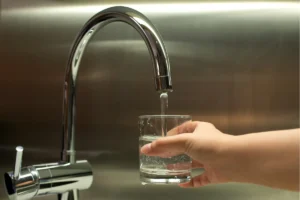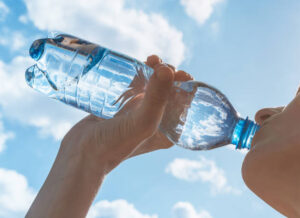
Many people rely on bottled water, influenced by decades of marketing. They believe it’s a safer choice than tap water. Yet, facts show it might not always be the healthier or more affordable option.
The debate between tap water and bottled water centers on safety. The Food and Drug Administration (FDA) regulates packaged beverages, while the Environmental Protection Agency (EPA) oversees public water supplies. Their differing standards raise questions about what “safe” really means.
Key Takeaways
- Beliefs about bottled water often stem from historical marketing.
- FDA and EPA follow separate rules for overseeing water quality.
- Tap water vs bottled water can vary in cost and convenience.
- Quality depends on proper processing and handling methods.
- Reading regulations helps consumers make balanced decisions.
Industry Standards and Regulations
The Safe Drinking Water Act of 1974 set high standards for public water quality. EPA regulations dictate how municipal systems test and report findings to the public. Facilities often release data on lead, bacteria, or chemical levels, keeping residents informed.
FDA standards, on the other hand, oversee bottled water. Producers must adhere to cleanliness and labeling rules. Yet, details on testing or treatment methods might be less clear to buyers. This separate framework can lead to gaps in disclosure, leaving consumers with fewer insights into possible contaminants.
Regulatory agencies play a critical role in setting boundaries that protect public health. Shoppers can research how each product is monitored to feel more confident about every sip. A review of source reports, even if brief, provides a snapshot of safety. It helps families choose water that meets their needs.
Common Misconceptions About Bottled Water
Many believe every sealed bottle is packed with absolute purity. While some sources come from natural springs, a large portion of the market uses the same public water supply as household taps.
Perceived Purity
Brands like Evian and Fiji showcase scenic origins, implying each sip is free from contaminants. This branding can make shoppers feel confident. Yet, misconceptions can occur when filtration processes are not transparent, creating a false sense of perfection.
Marketing vs. Reality
Many marketing claims promise fresh mountain streams or hidden artesian wells, suggesting bottled water is safer. It’s essential for consumers to look into a company’s source details. Clean water often relies on transparency and rigorous testing, not just imagery.
How Water Sources Impact Quality
Bottled water comes from diverse origins, each influenced by unique geological layers. Some prefer natural springs for their pure taste. Yet, minerals and organic elements can affect consistency. Others choose artesian water for its crispness, as it passes through pressurized rock seams.
The source of bottled water is critical in assessing water contamination risks. Ground composition can introduce harmful metals like lead or arsenic. Even pristine regions can harbor hidden risks from industrial runoff or toxins.
- Spring-fed sources may harbor trace bacteria or sediments
- Artesian wells face chemical seepage if local soil is compromised
- Mineral-rich options can vary in taste and purity
These considerations help consumers make informed choices. Labels indicating “from a deep well” or “raised from spring sources” reveal different maintenance practices. These practices affect taste, health value, and long-term safety.
Contaminants to Watch For
Bottled products can hide invisible threats that slip past filtration and end up in every sip. Many consumers trust well-known brands, but unexpected contaminants may be present. It’s vital to be aware of these risks to protect health and find trustworthy brands.
Microplastics
When containers break down or production methods are subpar, tiny plastic fragments form. Studies have found these particles in brands like Nestlé Pure Life and Aquafina. Experts warn of health risks and advocate for regular testing and stricter standards.
Bacterial and Chemical Presence
Improper storage can lead to bacterial growth, posing health risks, mainly in warm conditions. “Forever chemicals” may also persist, often due to lack of regular checks at bottling facilities. Consumers can feel secure by checking independent lab reports and choosing products with proper packaging.
| Contaminant | Risks | Common Origin |
| Microplastics | Potential ingestion of plastic particles | Container breakdown |
| Bacteria | Stomach discomfort | Warm storage |
| Forever chemicals | Long-term exposure effects | Unregulated manufacturing |
Packaging Influence on Safety
Plastic bottles seem convenient, but their materials and storage can impact water quality. Brands like Nestlé Pure Life and Fiji Water use durable packaging. Yet, heat from cars or sunny spots can cause chemicals to leach into the water.
Studies show older bottles might contain trace metals, including lead from outdated manufacturing. This highlights the importance of checking production dates and choosing fresh bottles. Many consumers overlook details that affect purity, such as storage conditions in warehouses or retail displays. Proper storage, like keeping bottles out of direct sunlight, can minimize risks.
Packaging materials that withstand high temperatures offer reassurance. Some water producers clearly list the materials used on their labels. This transparency helps buyers make informed choices, ensuring each sip is safe and free from contaminants.
Comparisons with Tap Water
The debate between tap water and bottled water influences daily choices. People weigh the practicality and environmental impact of each option before deciding.
Cost Analysis
Examining the cost reveals the long-term expense of single-use bottles. Families often find that filtered tap water is more economical than buying large quantities of bottled water.
Environmental Footprint
The production, disposal, and transport of bottled water significantly contribute to environmental degradation. Some opt for refillable containers and local filtration systems to reduce waste and emissions.
Taste Differences
Many perceive bottled water as cleaner, yet some detect a plastic or metallic taste. Tap water may contain traces of treatment chemicals. Proper filtration and maintenance can mitigate these issues.
Health Benefits and Possible Drawbacks
Many individuals opt for purified products to enhance hydration and alleviate concerns. When selecting bottled water, health considerations play a significant role. Each brand offers unique characteristics, as research indicates.
Fluoride Content
Fluoride in water is essential for dental health. Brands like Evian might process their water to reduce or eliminate fluoride. It’s important for consumers to review product details to ensure the fluoride levels meet their needs or community standards.
Nutrient Retention
Some bottled waters boast added nutritional minerals, aiming to improve taste and possibly health benefits. Brands may highlight specific minerals like calcium or magnesium to differentiate themselves. The composition of these waters can change during processing. It’s advisable to examine lab reports or consult trusted nutrition sources for accurate information.
Marketing Claims and Labeling
Marketers often adorn bottles with catchy terms, aiming to convey premium quality. Brands like Evian and Dasani emphasize unique mountain springs or advanced filtration. This strategy creates buzz but raises questions about the actual source and treatment.
Consumers who scrutinize these claims practice label transparency with each purchase. They also check for certifications that promise safety or purity. This diligence boosts consumer awareness and builds trust in genuine endorsements.
Claims of “pristine glacial melt” often lack concrete evidence. Detailed ingredient lists and authentic logos help make informed choices. They filter out unsubstantiated boasts, guiding consumers to brands that meet their health standards.
Potential Environmental Impacts
Single-use containers frequently become plastic pollution in oceans and along coastlines. These fragments can harm marine life and disrupt delicate ecosystems. Organizations like the World Wildlife Fund are working to reduce this waste. Their goal is to protect biodiversity and ensure cleaner waterways.
The production and transportation of bottled water lead to significant carbon emissions. These emissions stem from manufacturing, shipping, and storage processes. This energy-intensive activity raises concerns about resource depletion. Many consumers are now questioning their purchases, seeking more sustainable options.
Efforts towards sustainability emphasize the need to limit disposable packaging. This shift is essential for a more environmentally conscious future.
“Habits can change when people realize the full cost of each plastic bottle,” stated a spokesperson from the Environmental Protection Agency.
- Switching to refillable jugs
- Supporting local recycling initiatives
- Exploring water filtration at home
| Impact | Description | Potential Solutions |
| Marine Risks | Floating debris threatens aquatic life | Beach cleanups and stricter disposal rules |
| Excessive Carbon Footprint | Energy-intensive production and transport | Efficient shipping methods and eco-friendly policies |
| Resource Strain | Continual reliance on finite materials | Innovative packaging and widespread recycling campaigns |
Reading Between the Lines on Bottled Water Labels
Many consumers miss the fine print on bottled water labels. A closer examination can uncover essential information about quality. Each brand presents facts differently, making it important to read every detail.
Deciphering Certification Logos
Respected groups like NSF International use symbols to show rigorous testing. These logos confirm the product meets purity standards. Look for stamps from the International Bottled Water Association (IBWA) or the Water Quality Association as well.
Identifying Source Information
Some bottled water comes from underground springs, while others are from municipal pipelines. Labels should clearly state this. Recognizing the source can help buyers choose what suits their preferences.
Expiration and Storage Tips
Expiration dates on bottles help shoppers know when to consume them. Water itself doesn’t spoil, but its taste can change over time. Following basic storage tips, like keeping bottles in shaded, cool spots, is also important.
| Logo | Issued By | Key Benefit |
| NSF | NSF International | Verifies safety standards |
| IBWA | International Bottled Water Association | Confirms proper testing practices |
| WQA | Water Quality Association | Ensures filtration guidelines |
Shelf Life and Storage Conditions
Bottled water stays fresh when shielded from extreme heat or direct sunlight. Brands often label their water as shelf-stable, but containers can degrade over time. To keep the water’s flavor and purity, it’s essential to rotate bottles regularly.
Temperature control is critical for safety. High temperatures can cause chemical reactions in plastic packaging. Even small temperature changes can affect the taste. Labels often provide guidance on how long bottles are safe to use. Many consumers, though, choose to replace bottles earlier to avoid any risks.
Long-term storage is best when supplies are kept in cool, dry places. This method prevents unpleasant odors, which is important in areas prone to power outages. Brands like Poland Spring and Dasani offer clear guidelines on their labels. These help users follow best practices and avoid issues related to plastic degradation.
| Condition | Recommended Practice | Potential Outcome |
| Cool, Dry Spot | Keep bottles away from direct light | Retains natural taste |
| Stable Temperatures | Avoid storing in hot locations | Minimizes plastic breakdown |
| Regular Rotation | Use older bottles first | Reduces stale flavor |
Choosing the Right Brand for Safety
Choosing bottled water wisely is essential for personal health. Consumers look for brands with a solid brand reputation to ensure their safety. A quick search of public data can be a good starting point.
Reputation and Testing
Brands like Evian, Fiji Water, and Nestlé invest in independent testing to prove their water’s purity. They check for pollutants and verify mineral content. This transparency builds trust with those seeking safe hydration.
User Reviews and Transparency
User feedback is key to consumer trust. Platforms that share real experiences help make informed choices. Online forums and social media provide valuable insights before buying.
| Brand Aspect | Reason to Check |
| Sourcing Practices | Best to confirm origin details for peace of mind |
| Quality Reports | Public test results reassure individuals about safety |
| Online Feedback | Real opinions offer insight into flavor and reliability |
Cost-Effective Alternatives
Many households seek budget-friendly ways to purchase drinking water. Investing in at-home solutions significantly reduces recurring expenses. A simple shift in approach can also reduce waste and enhance water quality control.
Filtered Water Options
Brands like Brita and Pur offer pitcher-style filters that effectively remove common impurities. Some opt for larger under-sink water filtration systems, which use cartridges for consistent flow. For a broader range of contaminants, reverse osmosis units offer thorough purification. Maintenance involves routine filter changes, but the long-term savings are substantial.
Refillable Containers
Durable alternatives, such as stainless steel or glass, make refillable water bottles a wise choice for those always on the move. These containers significantly reduce single-use plastics while keeping water fresh and cool. Using a refillable jug at refill stations or public fountains adds convenience to busy schedules.
| Method | Main Benefit | Key Consideration |
| Reverse Osmosis | High-level purification | Membrane requires regular upkeep |
| Carbon Pitchers | Quick setup & odor reduction | Frequent filter changes |
| Refillable Water Bottles | Less plastic waste | Initial cost for quality bottles |
Expert Advice on Bottled Water Consumption
Water safety experts advise people to evaluate local water sources before opting for bottled water. It’s essential to have strong government oversight, as PFAS concerns can be present in both bottled and tap water. Consumers often look into brand practices and filtration methods when seeking public health advice.
A thorough comparison shows that checking quality reports is vital. It’s important to read labels, understand testing protocols, and follow expert opinions. Responsible consumption means being aware of risks and selecting options that fit personal needs.
“The Food and Drug Administration urges ongoing improvements to ensure all drinking water, no matter the source, remains safe and properly regulated.”
By staying informed and pushing for transparency, individuals contribute to public health goals. Making balanced choices protects health and saves money. Those who value reliable information can influence industry changes and ensure consistent oversight.
Empowering Informed Choices for a Healthier Future
Every household can gain clarity by making informed choices about how bottled water regulations shape daily routines. The Food and Drug Administration enforces standards to keep contaminants at safe levels. The Environmental Protection Agency sets benchmarks for tap water, providing a comparison for those seeking alternatives. Yet, individuals can lower risks by comparing labels and monitoring brand credentials.
Consumer empowerment grows when communities support a move toward reusable bottles and filtration systems, such as those from Brita or Pur. This approach encourages a sustainable future by cutting down plastic waste and boosting personal wellness. Responsible decision-making relies on staying informed about new studies that examine long-term effects.
Education and vigilance help people make informed choices that support both health and the planet. Consumer empowerment depends on vigilance and knowledge, so individuals stay aware of shifting regulations. When families follow these steps, they strengthen trust in their purchases. This focus on shared awareness leads to a sustainable future with better water habits for generations to come.
FAQ
Are bottled waters always safer than tap water?
Bottled water can be safer in certain situations, but it’s not always the case. The FDA regulates bottled water, while the EPA oversees tap water. This means what’s considered safe varies. Some brands use the same tap water, just with extra filtration.
What are the main industry standards and regulations for bottled water?
The FDA sets guidelines for bottled water, focusing on labeling and contamination limits. The EPA, on the other hand, has stricter rules for tap water. This difference can lead to bottled water not being tested as thoroughly for contaminants like PFAS or heavy metals.
Are there common misconceptions about bottled water purity?
Yes. Many think bottled water is always pure, but it often comes from the same sources as tap water. Marketing campaigns create illusions of pristine sources. It’s important for consumers to research the actual source of their water.
How do different water sources impact overall quality?
Bottled water can come from springs, wells, or municipal supplies. Spring water may have beneficial minerals but can also contain trace metals. Artesian water is naturally pressurized but can be contaminated. Mineral water has unique flavors but may contain heavy metals.
Which contaminants should consumers watch for in bottled water?
Microplastics are a growing concern, with studies finding thousands in a liter. Bacterial contamination is rare but can happen if filtration fails. Chemicals like PFAS may not be disclosed if brands don’t test regularly. Metals like lead and arsenic are also a risk, making it important to check testing reports.
Does the type of packaging influence safety?
Yes. Plastic bottles can leach chemicals like BPA when exposed to heat or sun. This can affect taste and safety. Glass bottles are safer but can be more expensive and heavier.
How does bottled water compare to tap water in terms of cost and environmental footprint?
Bottled water is often more expensive and has a larger carbon footprint. Single-use plastics contribute to pollution. Tap water is generally cheaper and has a smaller environmental impact, despite possible taste differences.
What about fluoride and mineral content in bottled water?
Tap water usually has fluoride, which is good for teeth. Bottled water may lack fluoride due to filtration processes. Some brands add minerals back in. Checking labels for fluoride and minerals is important, even for children’s health.
Do marketing claims guarantee higher quality?
No. Terms like “natural” or “alkaline” don’t mean the water is pure. Certification logos vary in standards. Always check official water quality reports to confirm claims.
What are the environmental impacts of bottled water?
Single-use plastics contribute to landfill and marine pollution. Production and transportation also have a carbon footprint. Choosing eco-friendly options can help reduce these impacts.
How can consumers read between the lines on bottled water labels?
Look for certifications like NSF International or the IBWA. Check the source and expiration dates. Proper storage reduces plastic leachate.
Does bottled water expire or become unsafe over time?
Water itself doesn’t expire, but plastic bottles can degrade. This can affect taste and release chemicals. Monitoring shelf life and rotating stock is key to maintaining quality.
How does one choose the safest brand of bottled water?
Reputable brands publish water quality reports and disclose sources. Analyzing user reviews can help. Brands like Evian or Fiji are known for transparency, but always verify their testing methods.
Are there cost-effective alternatives to buying bottled water?
Home filter systems can remove contaminants without the cost of bottled water. Refillable containers reduce plastic waste and can offer better taste, depending on local regulations.
What do experts advise about bottled water consumption?
Public health organizations often recommend tap water for safety and cost. Bottled water can be used in emergencies. Experts advocate for stronger government oversight for consistent standards.
How can consumers make more informed decisions for a healthier future?
Stay updated on regulations, read certifications, and verify test results. This empowers consumers to choose safer, more eco-friendly options. Whether using a home filter or reputable bottled water, informed choices benefit health and the environment.