Ensuring safe hydration is vital for prenatal and early childhood care. The US EPA guidelines stress the importance of pregnancy water safety. They also highlight the need to monitor water contaminants closely.
Private wells safety is a top concern across the United States. The presence of lead, nitrates, and bacteria in these wells can pose significant risks to unborn babies. This is why it’s essential to test these supplies regularly and manage them effectively.
Key Takeaways
- Regular testing of private wells can reveal hidden threats.
- Water contaminants may have a greater impact on pregnant women.
- Pregnancy water safety depends on informed decisions at home.
- US EPA guidelines offer valuable resources for safer hydration.
- Ongoing precautions help keep families strong and healthy.
Why Clean Drinking Water Matters for Expectant Mothers
Expectant mothers encounter numerous challenges, including fluid needs changes. Contaminants in water can raise the risk of preterm birth or low birth weight. Clean drinking water is essential for steady fetal growth and maternal health.
Healthcare providers suggest water testing during prenatal care to avoid hidden toxins. Pollutants can enter through old plumbing or agricultural runoff, posing risks. Checking local water quality reports is a proactive step to mitigate these risks.
The Environmental Protection Agency (EPA) research indicates that pollutants like nitrates increase pregnancy risks. Inadequate water intake and toxic exposure can lead to early preeclampsia. Families informed about public water safety can better protect their babies.
Proper hydration is key for amniotic fluid regulation and preventing urinary tract infections. Clean drinking water eases kidney strain, benefiting both mother and baby. Regular checkups and chosen filtration methods empower households to protect life during pregnancy. This approach promotes healthy birth outcomes and supports strong beginnings for new families nationwide.
What Are Water Contaminants and How Do They Affect Infants?
Water contaminants pose a significant risk to families focusing on safe infant feeding. Infants have a developing immune system that may find it hard to fight off harmful substances in unfiltered water. It’s essential for parents to understand the types of pollutants and their sources.
Common Types of Pollutants
The US EPA identifies common water pollutants as microbial (bacteria, viruses) and chemical (lead, arsenic). These can come from corroded plumbing or industrial and agricultural runoff. Without clear signs, testing and filtration are critical to manage exposure.
Potential Health Complications
Infants are more vulnerable to digestive issues, developmental delays, and nutrient deficiencies due to contamination. Their sensitive immune systems can be overwhelmed by bacteria or toxins that adults might handle better. To protect newborns, families often opt for water tests, filtration systems, or alternative sources.
Early Pregnancy and Hydration Needs
Studies in prenatal care show that drinking plenty of water is key for maintaining healthy blood volume and supporting the placenta. Pregnant women have higher metabolic needs and need clean water to transport nutrients. Ensuring safe water intake is critical for the health of both the mother and the baby.
Impact on Fetal Development
In the early stages, cells grow rapidly, making fetal development very sensitive to toxins. Drinking clean water helps remove harmful substances that could disrupt organ formation. Staying hydrated also keeps energy levels up, allowing the mother’s body to focus on each developmental step.
Safe Water Choices and Filtration Options
Many families opt for household water filtration to remove harmful substances like lead and chlorine byproducts. Starting with pitcher filters from brands like Brita or PUR is a good first step. For deeper filtration, reverse-osmosis systems can remove a wide range of impurities. Choosing the right equipment is essential for maintaining the health of both the mother and the baby.
Identifying Warning Signs in Your Home’s Water
Unpleasant smells or unexpected discoloration often signal that something is amiss. A strong sulfur odor hints at bacterial growth, while dark or rust-like hues may stem from iron or sediment build-up. Even faint shifts in taste can indicate water contaminants hovering above healthy thresholds.
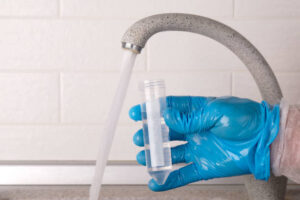
Those concerned about private wells safety should pay attention to these signals and seek professional water testing. The Environmental Protection Agency advises household evaluations at least once a year, if tap water appears cloudy or carries an unusual scent.
Early detection grants time to correct the root problem before it escalates. Certified laboratories can pinpoint hazards lurking beneath the surface and suggest effective solutions. Routine checks help preserve family health and maintain confidence in every glass of water.
Bottled alternatives may offer short-term relief, yet consistent water testing is the pathway to addressing hidden hazards. Frequent checks confirm private wells safety and reduce the likelihood of unwelcome surprises linked to water contaminants.
Safe Drinking Water Solutions
Expectant families seek reassurance in every glass of water. They look for quality and products that ensure purity. This reduces anxiety about contaminants.
Bottled Water Considerations
Some bottled water brands follow FDA guidelines, while others are regulated by the EPA. Clear labels are essential, showing the water’s source and treatment. This transparency encourages buyers to verify certifications and testing results, boosting confidence in its cleanliness.
Whole-House Filtration Systems
Whole-house filtration systems protect against contaminants in cooking, cleaning, and more. They safeguard water throughout the home, not just the kitchen. Models vary, with some using activated carbon and others reverse osmosis. Both can offer effective protection for families.
| Filtration Method | Key Advantage | Brand Example |
| Activated Carbon | Reduces chlorine taste | Brita |
| Reverse Osmosis | Removes various chemicals | Aquasana |
| UV Treatment | Inactivates bacterial content | Culligan |
Impact of Regional Water Quality in the United States
The water quality in each region of the country significantly impacts family health habits. Many families rely on municipal services that follow US EPA guidelines to ensure safety. Yet, changes in population density or agricultural practices can alter local water quality, posing risks to expectant mothers.
Variations Across Different States
Different states have varying policies for controlling contaminants. Some states enforce stricter regulations, while others face challenges due to aging infrastructure or limited resources. In rural areas, families often rely on private wells that require regular water testing. Being aware of these local conditions can help reduce risks for infants.
Accessing Official Water Quality Reports
Annual Consumer Confidence Reports provide insights into regional water issues. Consulting with water utilities and regional offices helps families make informed decisions about filtration, critical for pregnant individuals. By reviewing contaminant levels in clear language, families can feel more confident in the safety measures in place.
| State | Common Concern | Guidance Resource |
| California | Nitrate Buildup | Health Department Portal |
| Michigan | Lead Exposure | Local Utility Reports |
Breastfeeding and Possible Contaminant Exposure
New parents often worry about breastfeeding safety when they learn about water contaminants in their area. They seek ways to protect their infant’s nutrition without disrupting the breastfeeding routine. The CDC reassures that breast milk is essential for hydration and antibodies, even in uncertain environmental conditions.
Lactating mothers should choose water tested for heavy metals and bacteria. This step minimizes the risk of toxins in breast milk. By staying informed about municipal reports or filtration options, families can enhance their baby’s immune system. Breast milk is easier to digest than formula and reduces risks from unsafe water.
Potential Hazards and Their Impacts
| Contaminant | Source | Possible Impact |
|—————|————————-|————————————|
| Lead | Aging pipes | Affects cognitive development |
| Nitrates | Agricultural runoff | Interferes with oxygen transport |
| Bacteria | Unprotected waterways | Raises risk of intestinal infection|
Preventive Measures for Household Water Safety
Families can greatly benefit from taking proactive steps to protect their homes from pollutants. Regular maintenance and updates ensure everyone has access to clean water. This includes the most vulnerable members of the household. It requires careful planning and targeted actions to prevent contamination.
Regular Plumbing Inspections
Professional assessments can uncover hidden leaks and corroded pipes before they become major problems. The US EPA recommends replacing old pipes and using certified filters for optimal protection. A timely plumbing inspection can prevent hazards like chemical leaks that could affect daily water use. Ignoring inspections can lead to bacterial growth or unpleasant odors, compromising safety.
Choosing Certified Filters
Filters certified by NSF or the Water Quality Association effectively remove a wide range of contaminants. This ensures clean water while maintaining its taste and clarity. Experts recommend trusted filter products for faucets, refrigerators, and other accessible points in the home. For more information, refer to household water treatment guidelines that help in making informed filter choices.
| Task | Recommended Frequency |
| Plumbing Inspection | Annually or As Needed |
| Filter Replacement | Every 6–12 Months |
When to Contact a Healthcare Provider
Expectant parents often worry about pregnancy complications related to unsafe water. A timely medical consultation is essential if unusual symptoms appear. Persistent digestive issues or severe nausea can signal serious threats that should not be ignored.
Being vigilant is critical to safeguard both mothers and babies from waterborne illnesses. Ignoring infections can lead to severe consequences. Recognizing danger signs is vital for immediate action.
Symptoms to Watch For
Unusual fatigue, diarrhea, continuous vomiting, or unexplained fever require immediate attention. These symptoms may indicate waterborne illnesses that pose risks to a growing baby’s health. Infants showing unrelenting fussiness or dehydration need urgent care from a trusted pediatrician.
Medical Tests for Waterborne Illnesses
Healthcare professionals often use stool cultures and blood work for accurate diagnoses. These tests can reveal pathogens like E. coli or Giardia. Chemical screens may uncover lead or other contaminants affecting maternal health. Early detection is key to preventing complications.
| Test Type | Purpose |
| Stool Culture | Identifies bacteria, parasites, and common pollutants |
| Blood Test | Checks for toxic substances and infection markers |
| Water Analysis | Evaluates household supply for contaminants |
Budget-Friendly Tips for Purifying Water at Home
Boiling water for one minute is a reliable method to kill harmful microbes. This approach ensures safe drinking water and reduces risks in short-term emergencies. A cost-effective option is a store-bought filtration pitcher. Brands like Brita use activated carbon to filter out chlorine, sediment, and certain metals.
Checking labels is essential to choose the right device for local contaminants. Faucet-mounted filters are another affordable solution. They are easy to install and require minimal setup. DIY filtration methods, such as layering gravel, charcoal, and cloth, offer additional peace of mind in remote areas.
These steps are vital for maintaining safe drinking water, ensuring the health of growing children and expectant mothers. Regular home tests are necessary to uncover hidden problems and guide further improvements. Minor tools like pH strips and TDS meters help identify when deeper actions are required.
Residents who monitor these signs can prevent larger issues from arising. By combining basic steps and consistent awareness, families can build strong defenses at home. DIY filtration can evolve over time, giving families control over their water safety on a budget.
Supporting Infant Immune Systems Through Safe Water
Babies need a reliable water source to stay healthy and develop strong defenses against illness. Caregivers focus on safe infant feeding by choosing clean water and checking plumbing for hazards. This approach helps build an infant immune system that can handle new foods and challenges better.
Nutrient Intake and Hydration
Hydration is key for growing bodies, more so during rapid growth stages. Purified or filtered water supports balanced nutrient intake for brain and body health. If contamination is suspected, boiling tap water or using bottled water is recommended.
Tips for Preparing Formula
Smart formula preparation brings peace of mind to families. Regular sterilization of bottles and utensils, along with hand sanitizing before each feeding, is essential. The CDC advises using ready-to-use infant formula in emergencies when water safety is a concern. This minimizes contamination risk and supports ongoing growth. By following these steps, safe infant feeding practices ensure a strong infant immune system.
Long-Term Benefits of Good Hydration Habits
From infancy, environmental factors like water quality significantly impact our physical health. Consistent consumption of clean drinking water lays a solid foundation for growth. It ensures quality nutrition and balanced bodily functions. Early hydration awareness boosts resilience, potentially leading to better health outcomes later in life.
Reducing Risk of Chronic Illnesses
Studies by the Centers for Disease Control and Prevention highlight water’s role in preventing chronic illnesses. Efficient body systems, free from toxins, lower inflammation risks. This reduces strain on organs and enhances immune function.
Maintaining Healthy Lifestyles as Children Grow
Teaching children to drink water regularly instills habits for a lifetime of health. Parents who test and purify their water supply set a positive example. This reinforces good habits for future generations. Families using reliable filtration methods often experience improved hydration, energy, and overall well-being.
Encouraging Healthier Generations Through Conscious Water Choices
Many families strive to safeguard their loved ones from harm, with safe water at the forefront. Health authorities, such as the Centers for Disease Control and Prevention, highlight the importance of healthy habits during pregnancy. These habits often lead to better health outcomes for newborns. Advocacy groups push for public awareness and regular checks of local water supplies, as contaminants can endanger family health.
Implementing holistic measures like regular filtration, monitoring, and open discussions is key to maintaining clean supplies. Public awareness campaigns boost community support by promoting filtration and testing. Each step, from updated guidelines to stricter oversight, fosters a culture of resilience. By focusing on safe hydration, we shape better habits for future generations. This leads to stronger children and more empowered parents, reducing risks from hidden toxins.
FAQ
Why is clean water essential for prenatal health?
Expectant mothers need enough water to support their increased blood volume and metabolic needs. Contaminants like lead and nitrates can harm fetal development by crossing the placenta. So, it’s vital to have a high-quality water source for both mother and baby.
Are private wells safe for pregnant women and infants?
Private wells can be safe if they are regularly tested and well-maintained. The US EPA suggests annual checks for bacteria, nitrates, and other contaminants. This is to minimize risks, mainly for expecting mothers and newborns.
How do community water systems differ in quality?
Community water systems vary based on local treatment processes, infrastructure, and contaminant levels. Some municipalities strictly follow rigorous standards. Others face challenges with aging pipes or industrial discharge. Reviewing Consumer Confidence Reports helps families stay updated on water quality.
What common contaminants pose the greatest risk to infants?
Lead, arsenic, bacteria like E. coli, and parasites can all threaten a developing immune system. Even at low levels, these substances may cause gastrointestinal distress and more serious long-term health complications.
How does poor water quality affect fetal development in early pregnancy?
During the first trimester, organs are rapidly forming, and toxins in water can disrupt growth. Nitrates or chemical residues can compromise cell differentiation. This elevates the risk of complications such as early-onset preeclampsia.
Is bottled water always safer for pregnant individuals?
While many brands follow FDA regulations, bottled water quality can vary. Consumers should check labels to confirm the source and any testing claims. In some cases, a reverse-osmosis system at home may be more consistent in reducing contaminants like chlorine byproducts or lead.
What warning signs suggest a household’s water may be contaminated?
Signs include unusual tastes, strong odors like sulfur or chlorine, rust-colored water, and changes in clarity. These can signal microbial contamination, chemical overexposure, or metal leaching from corroded pipes.
What are some budget-friendly ways to purify tap water?
Boiling water for one minute kills most microorganisms. Affordable activated carbon pitcher filters or faucet-mounted devices can also remove sediment, chlorine, and certain metals. Look for NSF-certified products targeting specific issues like lead or volatile organic compounds.
When should families contact a healthcare provider about water-related illness?
Persistent diarrhea, vomiting, fever, or unusual fatigue warrant immediate medical attention. These symptoms may indicate a waterborne infection like E. coli or Giardia. Quick testing and treatment can help prevent complications for expecting mothers and newborns.
How do simple household measures help protect infant immune systems?
By sterilizing bottles, using tested water sources for formula preparation, and following hand hygiene guidelines, caregivers can significantly reduce exposure to pathogens. These steps reinforce a baby’s immune capacity, promoting healthier growth and development.
Can older children benefit from the same water safety practices?
Absolutely. Long-term hydration with clean water supports proper body functions, lowers the risk of chronic inflammation, and can contribute to healthier weight management. Developing good water habits early helps sustain wellness well into adulthood.
Why is filtration important even if local water meets standards?
Regulatory standards set maximum contaminant levels, but traces of industrial discharge, agricultural runoff, or aging pipes may introduce pollutants. Home filtration adds an extra layer of security, protecting pregnant individuals and infants from preventable waterborne illnesses.