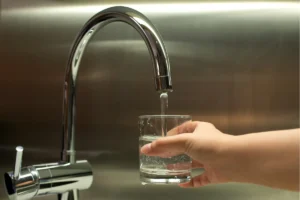
Water often travels long distances through pipes, picking up more than just dirt along the way. While treatment plants remove a wide range of particles, some contaminants can remain. A reliable home filtration system provides an additional layer of protection for health and taste.
The choice of system depends on local conditions, personal budgets, and specific household concerns. Options like reverse osmosis or activated carbon can significantly reduce chemical traces and unpleasant odors. Each method targets different types of contaminants, making thorough research essential.
Key Takeaways
- A filtration system offers vital defense against water contaminants.
- Many solutions, like activated carbon, remove unpleasant tastes.
- Household needs vary, so research helps find the best match.
- Reverse osmosis targets a wide range of pollutants.
- Treatment plants filter most impurities, but extra steps boost safety.
Understanding Key Water Contaminants
Many households face impurities that affect taste and safety. Knowing what’s in the tap water is the first step to cleaner drinking. Each contaminant group has unique characteristics. Yet, an effective filtration system can tackle multiple threats.
Organic vs. Inorganic Pollutants
Organic pollutants come from agricultural runoff or industrial activities. Heavy metals and minerals are common inorganic pollutants that can be harmful over time. Knowing the type of threat helps choose the right filtration.
Common Bacteria and Viruses
Microbial invaders are a major concern for families seeking health. Untreated water can spread infections. Technology like ultraviolet disinfection offers an extra layer of protection. Monitoring microbial content gives peace of mind.
Chlorine and Chemical Residues
Municipal facilities use disinfectants, leaving traces that affect taste and smell. Some notice dryness or a distinct odor. Specific filters can remove chlorine without compromising purity. Checking tap water for chemicals leads to better protection choices.
Assessing Your Household’s Water Quality
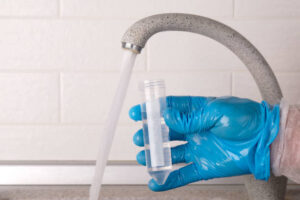
Signs of metal content or bacterial presence can shape filtration choices. Many consumers start with do-it-yourself kits from brands like PurTest or First Alert. These kits measure pH and hardness in one step. Regular checks reveal subtle shifts, signaling emerging concerns.
Comprehensive labs detect excessive chlorine and hidden threats. This approach combines water testing with a strategic plan. Whether it’s a simple countertop unit or more robust filtration, pinpointing contaminants is key. A reliable home water assessment makes it easier to match products to household needs.
| Type of Analysis | Key Benefits | Estimated Cost |
| DIY Kits | Basic pH and hardness checks, quick results | $20–$50 |
| Professional Lab Tests | Comprehensive reports on metals, chlorine, bacteria | $50–$150 |
Filtration Methods for Common Issues
Many households struggle with murky water, unpleasant tastes, or fear of microscopic threats. A targeted approach can solve these problems and ensure healthy drinking water. By examining both traditional and advanced methods, individuals can find a system that meets their needs.
Granular Activated Carbon Basics
Activated carbon filters capture common chemicals and odors. Granular designs use tiny carbon particles, while carbon block versions have a denser structure for removing a wide range of contaminants. Both improve water taste and reduce chlorine levels. Regular maintenance is key to ensure optimal performance when odors or flow issues arise.
Ultraviolet (UV) Treatment Insights
UV filtration is critical for protecting water from bacteria and other microorganisms. It uses a lamp that emits light that disrupts microbe DNA. This makes it an effective solution for households concerned about germs. Consistent power and regular lamp replacements are necessary to maintain high purification levels.
| Type | Key Features |
| Carbon Block | Denser material, removes more contaminants, may need frequent changes |
| Granular Carbon | Loose particles, effective for taste and odor, lower flow restrictions |
Point-of-Entry vs. Point-of-Use Systems
One method filters all water at a central point. The other focuses on specific outlets or appliances. Both methods enhance water safety, but the choice depends on budget, family size, and health needs.
Point-of-entry filters treat all incoming water. They offer broad protection, ensuring clean water at every sink and shower. Installation costs are higher, and regular maintenance is needed to keep water quality high. Brands like Culligan and Pentair provide a range of options for wide-scale protection.
Point-of-use filters target a specific spot, like the kitchen faucet. They are more affordable upfront, making them suitable for smaller households. Replacing cartridges is quick and easy, simplifying maintenance.
| System | Coverage | Maintenance | Typical Cost |
| Point-of-Entry | All faucets and appliances | Filter or media replacement | Higher initial expense |
| Point-of-Use | Single tap or device | Frequent cartridge swaps | Lower investment |
Carbon Filters and Reverse Osmosis
Homeowners often look for effective ways to improve their water quality. Two technologies stand out for their ability to provide clarity and peace of mind. Each technology meets specific needs and suits unique household goals.
How Carbon Filters Work
Carbon filtration uses activated surfaces to cling to unwanted chemicals. This adsorption process helps reduce odors and unpleasant flavors. Filters need to be replaced periodically to maintain their effectiveness. Many families prefer this simplicity for basic purification.
Reverse Osmosis Advantages
Reverse osmosis pushes water through a tight membrane, stripping away dissolved solids and heavier metals. This method is more effective than standard carbon filtration. Modern systems often reduce water waste, making them a popular choice for thorough impurity removal. Regular checks ensure the system performs optimally, keeping it running smoothly.
Sediment Filters to Tackle Water Turbidity
A sparkling tap often begins with a dependable sediment filter that separates visible debris from household water. It intercepts silt, rust, and sand, making it simpler to achieve effective turbidity control for drinking and cooking.
Micron ratings guide how small the captured particles can be. A filter with a tighter pore size catches finer contaminants, though flow rate may slow. Homeowners sometimes swap these filters on a set schedule to prevent clogs and maintain stable water pressure.
Systems from trusted names like Pentair or Culligan offer a range of filter sizes to fit different needs. Routine checks help users spot residue buildup and protect pipes from internal damage. A well-chosen sediment filter can extend the service life of carbon or reverse osmosis units down the line.
“Clean, clear water is central to daily life and overall well-being.”
| Micron Rating | Main Particles Captured | Suggested Replacement |
| 5 Microns | Fine Silt, Sand | Every 3–6 Months |
| 10 Microns | Rust, Larger Debris | Every 6–9 Months |
Choosing the Right Size and Flow Rate
Homeowners often struggle to choose the right filter size. A smaller unit fits well in tight spaces, while a larger one offers better filtration during busy times. The correct choice can prevent slow faucets and keep your home running smoothly.
Consistent water pressure is key, and it depends on the flow rate. This affects shower and sink performance, critical in active households. Selecting the right model ensures water flows at a comfortable rate.
Matching Flow Rate to Household Demand
Families with many bathrooms need filters that handle high flow rates. This prevents bottlenecks and keeps mornings calm.
Importance of Micron Ratings
A lower micron rating captures finer particles, improving water clarity. This might slow the flow slightly, but the clearer water is often worth it.
Space Considerations
Not all kitchens or basements can fit large filters. Measure your space before installing to avoid issues. A compact design makes maintenance easier and allows for future adjustments.
Installation and Maintenance Tips
Starting a successful system installation requires the right tools. Homeowners must assess space before placing a new filter. It’s essential to follow manufacturer guidelines for correct orientation. Ensuring the right adapters for pressure levels is also critical. If tasks become too complex, consider hiring a licensed plumber for the final connections.
Regular maintenance is key to keeping water fresh. Simple checks can prevent scale buildup. Replacing cartridges at set intervals is necessary to maintain performance. Sanitizing tanks helps control bacterial growth. Proper installation can prevent leaks and early system failures. Keeping a calendar for maintenance ensures consistent upkeep.
- Measure the incoming line and clearance
- Plan for updated cartridges and fittings
- Check for drips after connecting the parts
Below is a quick reference table for ongoing checks:
| Task | Interval | Reason |
| Cartridge Swap | 6 Months | Preserve filtration strength |
| Tank Disinfection | Once a Year | Reduce microbial presence |
Budget Considerations and Long-Term Costs
Choosing water treatment options goes beyond the initial cost. A significant upfront investment might lead to better efficiency and fewer filter replacements. In contrast, a more affordable countertop model could require frequent maintenance. It’s essential for every household to explore options that fit within their filtration budget.
Evaluating Filter Replacement Expenses
Cartridges and membranes differ in quality and longevity. Brands like Brita and Culligan have varying filter swap intervals. Frequent replacements can quickly escalate costs. Yet, systems with longer lifespans might seem pricey initially but could save money in the long run.
Key considerations include the type of filter, the supplier’s reputation, and the local water quality. These factors significantly influence the overall replacement costs.
Energy Usage and Overall Savings
Advanced systems, like reverse osmosis, consume electricity continuously. Adding pumps or UV lights increases energy costs. Assessing electricity rates against system output provides a clearer picture of savings.
Striking a balance between performance and cost ensures households can enjoy clean water without financial strain.
Eco-Friendly Choices
Filtration products with biodegradable or recycled elements protect both households and natural resources. Soma, for example, uses plant-based components to reduce plastic use. This approach minimizes waste and supports a greener footprint.
Reverse osmosis units with advanced modules can significantly cut down wastewater. Some models even include zero-waste features or recirculation pumps. This keeps more water in use. Consumers looking for eco-friendly options often compare these features before making a purchase.
Those interested in sustainable water solutions should look for official labels or third-party seals. These indicators show that a device meets recognized environmental standards. A little research helps avoid empty promises, ensuring real benefits for both home and community.
How Filtration Improves Health and Safety
Clean water is essential for a better life in many homes. Filters play a key role by removing harmful substances from every glass. They create a safer environment for families, vital for both children and adults.
Reducing Contaminant Exposure
Metals like lead and other impurities can be harmful over time. Filtration systems effectively reduce contaminants by capturing these particles before they reach the tap. This action alleviates concerns about lingering chemicals and promotes a proactive approach to health. Regular filter maintenance ensures this safety level is maintained.
Improving Taste and Odor
Unpleasant tastes can discourage regular hydration. A well-chosen filter removes bad smells and stale tastes, making water taste fresher. This improvement often leads to better drinking habits. For more information, read this guide on high-quality water filtration and its benefits. Cleaner-tasting water encourages everyone to stay hydrated and enjoy the benefits of clean drinking water. Regular maintenance is necessary to keep these improvements.
Addressing Hard Water Concerns
Residue buildup on faucets and dishware often signals an excess of minerals in the supply. Hard water stems from high levels of calcium and magnesium, which bind to surfaces and reduce appliance efficiency.
Water softeners offer a targeted approach by exchanging these minerals for sodium, helping decrease scale problems. Many models from names like Culligan or Fleck are valued for consistent results and user-friendly upkeep. Consumers with sodium sensitivity might explore salt-free devices or other conditioning methods that curb mineral deposits without affecting sodium intake.
A closer look at maintenance steps can be found in this informative guide. Frequent inspection of pipes and fixtures often reveals whether concerns are more than a minor nuisance. Testing mineral levels before and after treatment can highlight the benefits of a chosen solution.
“Excessive minerals that are left unresolved may shorten the lifespan of water-based systems.”
| Method | Key Effect | Considerations |
| Traditional Ion Exchange | Replaces calcium/magnesium with sodium | Ideal for most households |
| Salt-Free Conditioner | Reduces deposits without sodium | Suitable for low-sodium diets |
| Potassium-Based System | Offers an alternative to standard salt | Valuable for those monitoring sodium intake |
Finding Quality Certified Products
Consumers often seek reassurance that a filter can deliver reliable results. Independent verifications serve as proof that a unit has passed strict evaluations. NSF certification confirms that structural integrity, contaminant reduction, and product materials meet established benchmarks.
Water filter labels provide clear insight into testing results. Shoppers can compare different models by examining these details, which outline whether a filter excels at removing chlorine or other specific hazards.
NSF and ANSI Standards
Filters displaying these credentials align with recognized goals for improved safety. Tests may address:
- NSF 42 for taste and odor caused by chlorine
- NSF 53 for heavy metal and chemical reduction
- NSF 58 for reverse osmosis performance
Understanding Certification Labels
Labels should be clear to avoid confusion. Each emblem signals the filter’s rated ability to tackle certain contaminants. Extra attention to fine print reveals whether claims match proven results.
Authenticity and Brand Reputation
National brands such as Brita, PUR, or Culligan often post detailed lab data. Shoppers find confidence in companies that honor warranties and uphold ethical practices. Reviews can guide buyers toward trustworthy products that protect water quality for the long run.
Comparing Leading Brands in the US Market
Households often conduct a detailed brand comparison before choosing new water filtration systems. They consider factors such as price, filter capacity, and installation style. This helps them identify the best water filter brands for their needs. Some models are designed for countertop use, while others cater to larger spaces or entire homes.
AquaTru is known for its compact reverse osmosis design. Cloud RO and SpringWell CF offer under-sink or whole-house solutions to reduce contaminants. On the other hand, brands like Brita and Pur provide simpler filters at a lower cost. Yet, they might not be as effective against advanced pollutants.
When making a decision, performance ratings, cartridge longevity, and warranties are key. Products with reliable certifications have undergone rigorous testing, instilling confidence in consumers. A thorough comparison of these elements aids in finding the ideal product for clean, fresh water at home.
| Brand | Filter Type | Main Advantage |
| AquaTru | Countertop RO | Compact, High Purity |
| Cloud RO | Under-Sink System | Advanced Filtration |
| SpringWell CF | Whole-House Unit | Robust Contaminant Reduction |
| Brita | Pitcher Filter | Basic, Budget-Friendly |
Steps to Evaluate Warranties and Customer Support
Investing in a filtration system requires a thorough warranty check. This step shows the level of confidence a company has in its product. Longer coverage periods often indicate higher quality and reliability.
Exclusions and fine print matter when reading warranty statements. Some plans might only cover certain parts under specific conditions. Users must verify what is included. Return and replacement policies can vary between brands like GE, Whirlpool, and Culligan.
Length of Coverage
Coverage can range from one to several years. Buyers should compare these terms with real customer feedback. Extended warranties suggest a commitment to durable parts and thorough testing.
Customer Service Responsiveness
Strong customer support is vital when repairs or troubleshooting arise. A brand’s responsiveness rate and contact options impact overall satisfaction. A live chat, phone hotline, or dedicated help portal can speed up problem resolution and reduce frustration.
| Brand | Warranty Coverage | Support Channels |
| GE | 1 year parts and labor | Phone, Email |
| Whirlpool | 2 years on parts | Phone, Live Chat |
| Culligan | Varies by product | Phone, Online Portal |
Making the Final Decision for Pure Water Ahead
A safe home supply hinges on grasping each household’s unique needs. Those who have delved into earlier sections now possess vital knowledge. This includes insights into common contaminants, flow demands, and the critical role of reliable product support.
Some may lean towards a straightforward pitcher system from brands like Brita or Pur. Others might seek a more extensive setup to tackle more complex issues. The right choice should effectively counter known threats and align with one’s budget. Energy consumption and the frequency of filter replacements also play a significant role in long-term satisfaction.
Quality certifications are essential in verifying water purity in our daily lives. Authenticating these certifications prevents confusion and safeguards against inferior imitations. Renowned brands such as Culligan and iSpring have established track records. Yet, the decision must resonate with the specific needs of your home environment.
A thorough examination of the guide’s factors paves the way for informed decisions. This is the opportune time to adopt secure, refreshing solutions. These choices will enhance wellness not just in the United States but globally as well.
FAQ
Why is it important to have a reliable home filtration system?
Water carries pollutants from long distances. Systems like reverse osmosis or granular activated carbon offer extra protection. They ensure safer, better-tasting water beyond what municipal treatments provide.
What kinds of contaminants might be in my household water?
Household water may contain organic pollutants, inorganic contaminants, and microbial pathogens. Even after treatment, residual chlorine or chloramine can affect taste and smell.
How can I test my water quality before choosing a filtration system?
Homeowners can use DIY test kits for pH, hardness, and common contaminants. For detailed data, professional lab tests can detect heavy metals, bacteria, and pharmaceutical byproducts.
Which filtration methods are best for tackling microbial threats like bacteria and viruses?
Ultraviolet (UV) filtration effectively neutralizes bacteria and viruses. Some households combine UV with carbon or sediment filters to address more contaminants.
What is the difference between point-of-entry and point-of-use systems?
Point-of-entry systems treat all water entering the home, benefiting every outlet but costing more initially. Point-of-use systems, like under-sink filters, target individual faucets and are more budget-friendly.
How do carbon filters compare to reverse osmosis systems?
Carbon filters use adsorption to trap contaminants, improving taste and odor. Reverse osmosis systems remove a broader range of contaminants but waste more water unless efficient.
Why are sediment filters important for turbid water?
Sediment filters eliminate silt, rust, and sand, improving clarity. They protect other filters from clogging. The micron rating affects efficiency and flow rate.
How do I determine the right size and flow rate for my home filter?
Larger households need higher flow rates for consistent water pressure. A low micron rating targets finer particles but can slow flow. Consider daily usage, household size, and installation space.
What are some tips for installing and maintaining a home filtration system?
Always follow manufacturer instructions and measure space carefully. Consider professional help for complex setups. Regularly replace cartridges and sanitize parts for optimal performance.
How do costs differ among various filtration methods?
Upfront costs vary by complexity; whole-house or RO systems are pricier. Replacement intervals and electricity usage affect overall expense. Balance long-term savings with performance.
Are there eco-friendly filtration options available?
Yes. Some brands use biodegradable or recycled materials. Reverse osmosis systems with efficient waste ratios reduce environmental impact. Look for verified sustainability claims.
How does filtration improve my family’s health and safety?
Effective filtration reduces exposure to harmful contaminants like lead and VOCs. Improved taste and odor encourage consistent hydration, benefiting overall wellness.
What if I have hard water or scale buildup in my home?
Water softeners exchange calcium and magnesium for sodium, reducing scale accumulation. But softening alone doesn’t remove other contaminants. Combine it with a dedicated filtration system for broader water quality concerns.
Why are NSF and ANSI certifications important?
NSF/ANSI certifications validate a product’s performance for specific contaminants. Checking certification labels ensures you invest in a filter tested by reputable organizations.
Which brands in the US market are known for reliable filtration solutions?
AquaTru specializes in countertop RO systems. Cloud RO and SpringWell CF offer whole-house or under-sink models. Household names like Brita and Pur are popular starters. Look for brands with transparent performance data and strong user reviews.
What warranty and support considerations should I look for?
Longer warranties signal manufacturer confidence in product quality. Review coverage specifics—some may exclude certain parts or require a licensed installer. Reliable customer service ensures helpful troubleshooting and stress-free returns.