In the fast-paced real estate markets of 2026, where digital signatures and rapid-fire inspections are the norm, one traditional hurdle is causing more friction than ever: the private well water test. Across regions where homes rely on independent infrastructure, real estate transactions are increasingly stalling, and in some cases collapsing entirely, due to unexpected water quality failures. What used to be a routine administrative step has become a high-stakes moment of truth that can reveal thousands of dollars in hidden liabilities.
For buyers and sellers alike, understanding why these delays occur is essential for navigating a successful closing. As state and local regulations become more stringent and laboratory backlogs grow, the “standard” 30-day closing window is being pushed to its limits by the invisible chemistry of the backyard well.
The Complexity of Modern Compliance
The primary driver behind these increasing delays is the expansion of testing requirements. Under frameworks like the Private Well Testing Act (PWTA), the list of mandatory contaminants has grown to include more sophisticated parameters. In the past, a simple bacteria and nitrate screen might have sufficed. Today, inspectors are looking for a much broader profile, including volatile organic compounds (VOCs), gross alpha (radiological) activity, and synthetic chemicals.
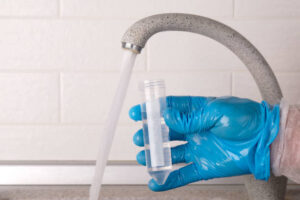
When a test is ordered during the due diligence period, the clock starts ticking. However, unlike a home’s roof or electrical panel, which can be visually inspected in an afternoon, water chemistry requires a laboratory. Many of the more advanced tests take 5 to 10 business days to process. If a failure occurs, the process essentially resets. A “failed” report isn’t just a piece of paper; it’s a legal roadblock that often prevents mortgage lenders from issuing final clear-to-close documents.
The “Invisible” Failure: Nitrates and Bacteria
Even with modern filtration, “standard” failures for coliform bacteria or nitrates remain the leading cause of delays. These failures often come as a shock to sellers who have been drinking the water for years without issue. However, the rigorous sampling methods used during a real estate transaction often requiring the water to sit stagnant or be sampled under specific flow conditions can reveal low-level contamination that went unnoticed.
A bacterial failure requires a system-wide “shock” chlorination, followed by a waiting period and a re-test. This process alone can add two weeks to a timeline. Nitrates are even more complex, often requiring the installation of an ion-exchange or reverse osmosis system. In our testing data archives, we see that these “routine” failures are responsible for nearly 40% of all water-related closing delays.
The New Frontier: PFAS and Emerging Contaminants
Perhaps the most significant shift in 2026 is the voluntary and, in some jurisdictions, mandatory testing for “forever chemicals.” Buyers are increasingly savvy and are requesting pfas-overview screens as a contingency in their contracts. Because PFAS testing requires specialized laboratory equipment and ultra-clean sampling protocols to avoid cross-contamination, the turnaround times are significantly longer than standard tests.
If PFAS is detected above the current health advisories, the transaction often enters a period of intense negotiation. Who pays for the high-capacity carbon filtration system? Does the seller have time to install it before the buyer’s mortgage rate lock expires? These are the questions currently haunting real estate offices. Our blog frequently covers these “emerging” roadblocks and how they are changing the way contracts are written.
The Laboratory Logjam
As more people test their water, the infrastructure of the labs themselves is being tested. We are currently seeing a “bottleneck” effect where the demand for certified water analysis is outstripping the capacity of regional laboratories. During peak spring and summer moving seasons, a test that should take a week can stretch into three.
For a buyer with a moving truck scheduled and a lease ending, a ten-day delay at the lab is a catastrophe. Real estate agents are now advising their clients to order water tests on Day 1 of the contract, rather than waiting for the general home inspection to be completed. This “front-loading” of the water test is the only way to ensure there is enough time for remediation and re-testing if a failure occurs.
Infrastructure Failure and the “Hidden” Well
Beyond the chemistry, the physical infrastructure of the well itself can cause delays. During a real estate transfer, an inspector will often look for a “sanitary” well seal and proper casing height. Many older wells do not meet modern building codes.
If an inspector finds that the well head is buried or that the casing is cracked, the “water test” cannot even begin until the physical repairs are made. Locating a buried well head can involve excavation and specialized equipment, adding days and significant costs to the seller’s side of the ledger. These structural issues are a major reason why we encourage sellers to perform a “pre-listing” inspection to identify these problems before a buyer is even in the picture.
Negotiation Fatigue and Blown Deals
The stress of a failed water test often leads to “negotiation fatigue.” After weeks of haggling over price, repairs, and closing dates, a failed water test can be the straw that breaks the camel’s back. If a seller is unwilling to credit the buyer for a new filtration system, or if the buyer is spooked by the presence of a specific contaminant like gross alpha, the deal may simply fall apart.
In 2026, we are seeing a higher percentage of “back on market” listings specifically due to water quality issues. This emphasizes the need for transparent testing data early in the process. When both parties have the facts, they can move toward a solution rather than an argument.
How to Prevent a Water-Related Delay
If you are a seller or a buyer in a well-water community, you can take several steps to keep your transaction on track: Sellers: Test Early. Perform a “pre-listing” test to catch bacteria, nitrates, or lead before you go under contract. Buyers: Schedule Day 1. Don’t wait. Make the water test your first priority once the contract is signed. Verify Laboratory Capacity. Ask your inspector which lab they use and what their current turnaround times are for PFAS and radiologicals. Understand the Regulations. Familiarize yourself with the local regulations to know exactly what “passing” looks like for your specific county. Have a Remediation Plan. If you know your area has high iron or low pH, have a quote from a local water treatment specialist ready to go.
Conclusion: Data as the Great Stabilizer
Real estate delays over failed well tests are a reflection of a society that is becoming more aware of its environmental health. While these delays are frustrating, they serve a vital purpose: ensuring that a home is a safe haven for the next family that moves in. In 2026, a “clean” water report is as much a part of a home’s value as its square footage or its school district.
By approaching water testing with a proactive mindset and relying on hard science rather than assumptions, we can reduce the friction at the closing table and ensure that the “clear-to-close” really means clear water.
If you are currently navigating a real estate transaction and have encountered a failed water test, or if you are a seller looking to avoid a delay by establishing a baseline, our team is here to help. We provide the certified analysis and expert interpretation needed to keep your deal and your water moving in the right direction. Please visit our contact page to connect with a water quality specialist today. Let us help you navigate the data so you can focus on the move.